Last updated November 20, 2026
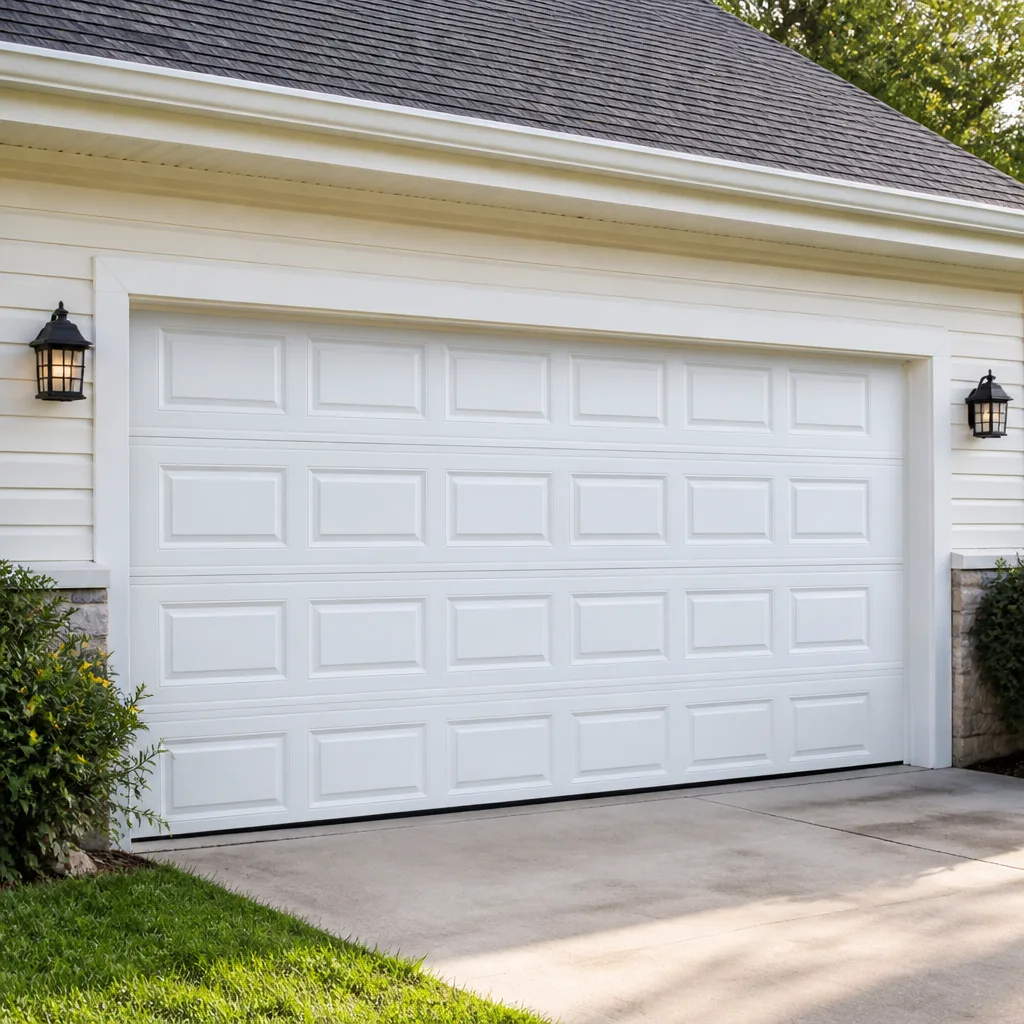 Raised-panel steel
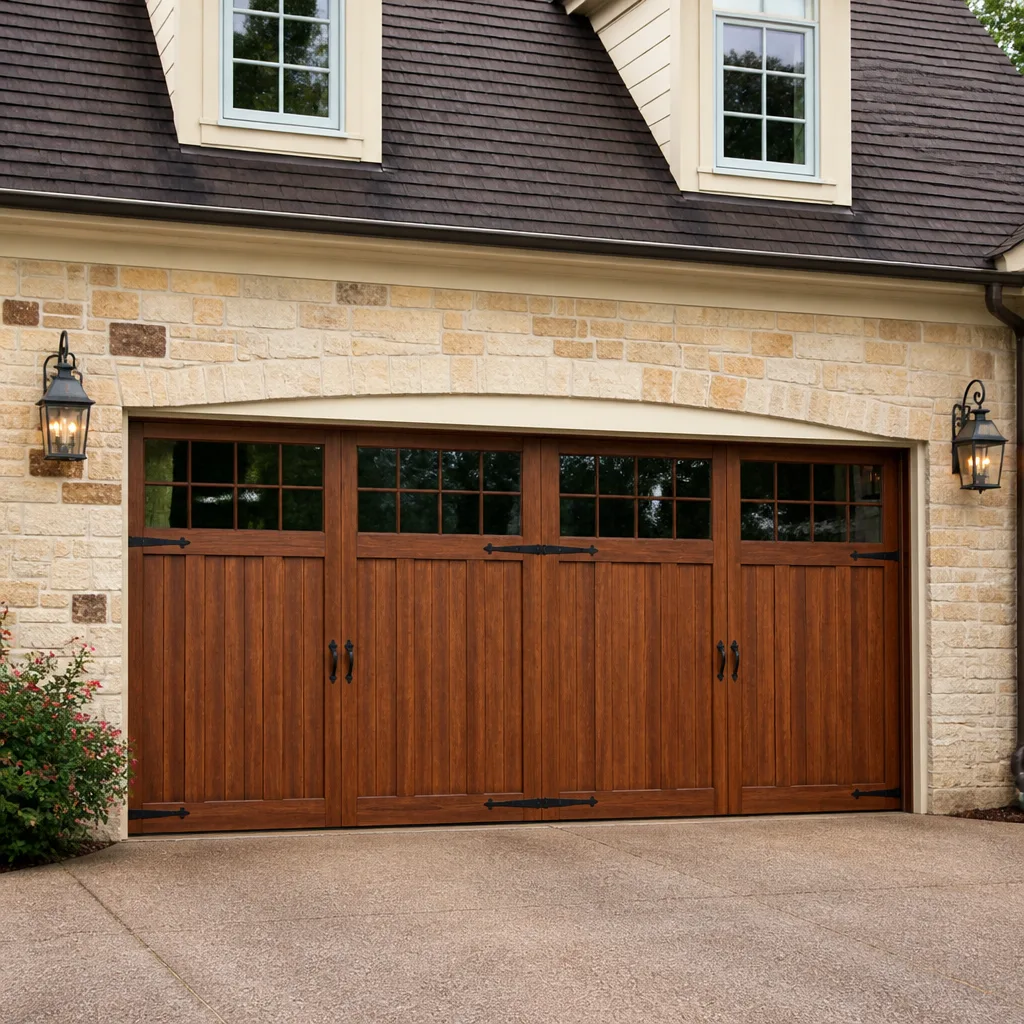 Carriage house
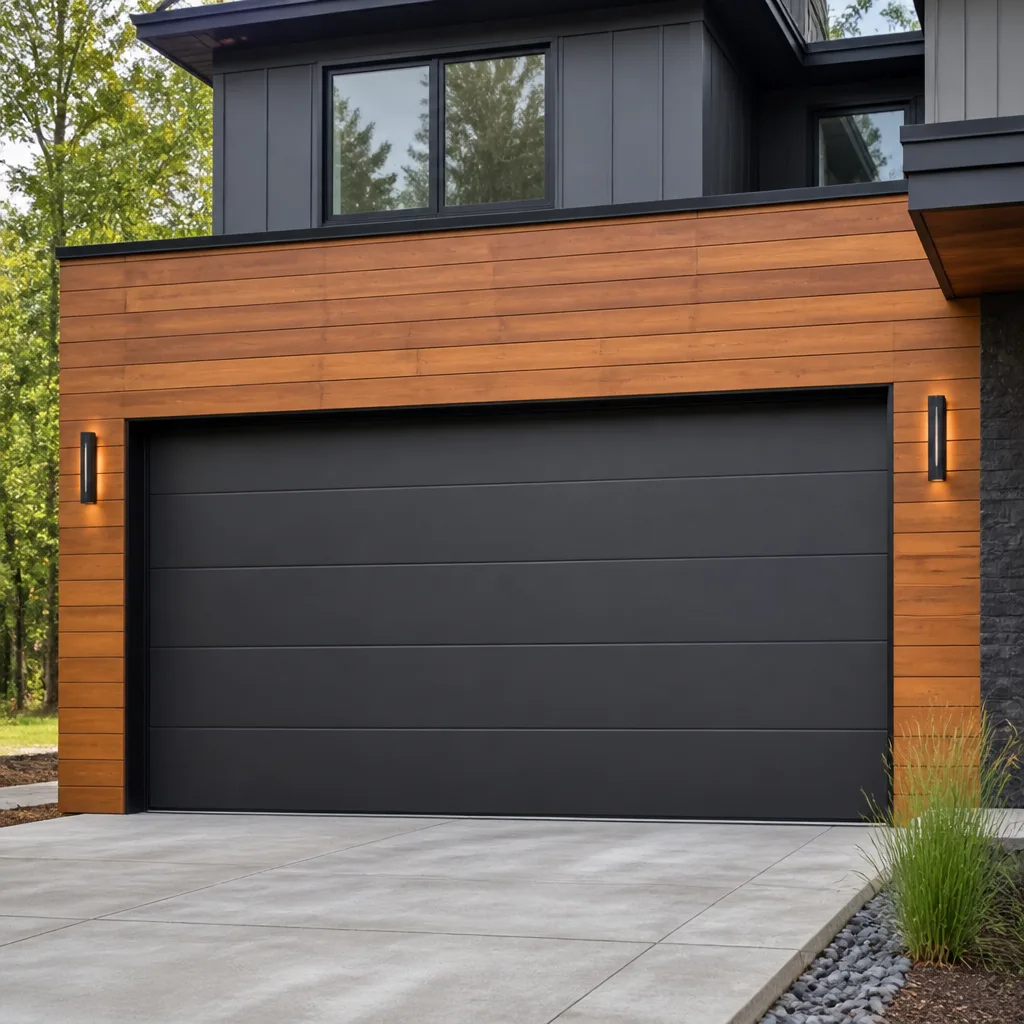 Modern flush
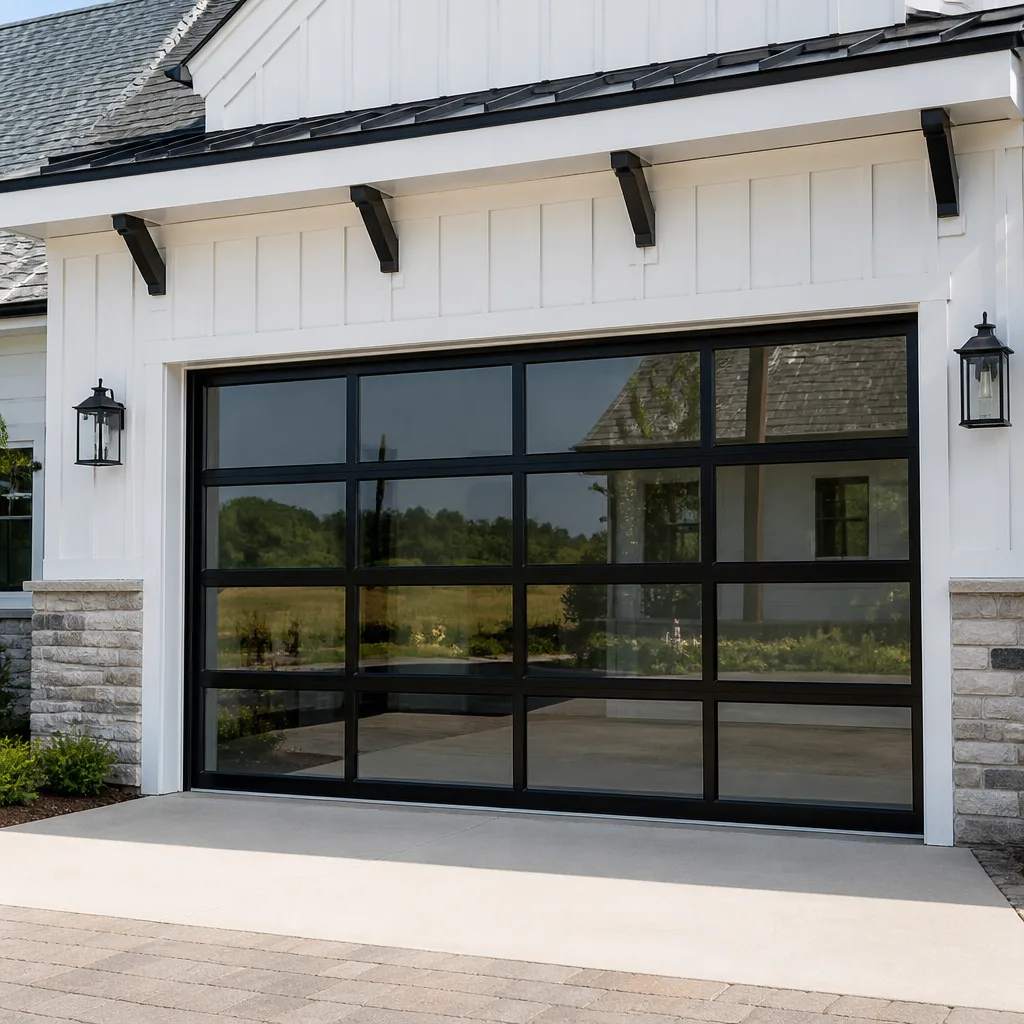 Full-view glass
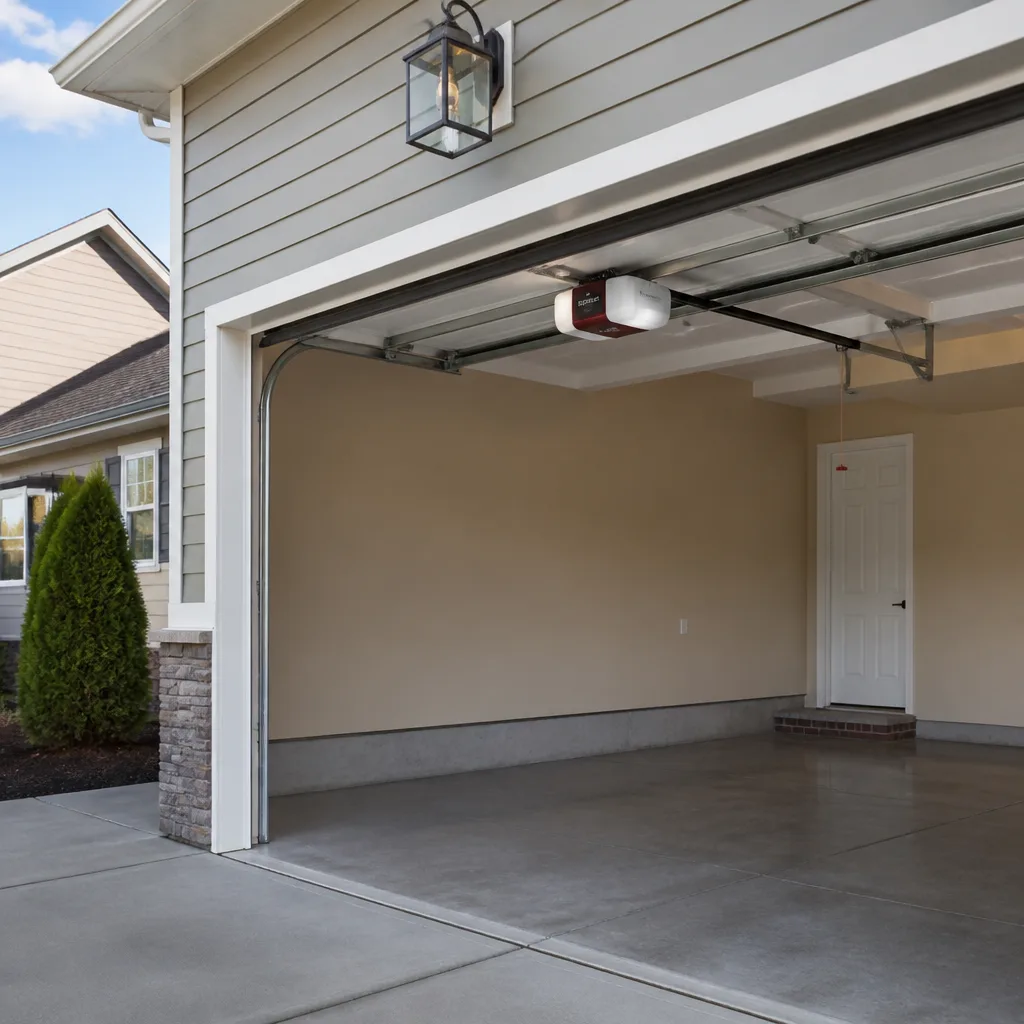 LiftMaster openers
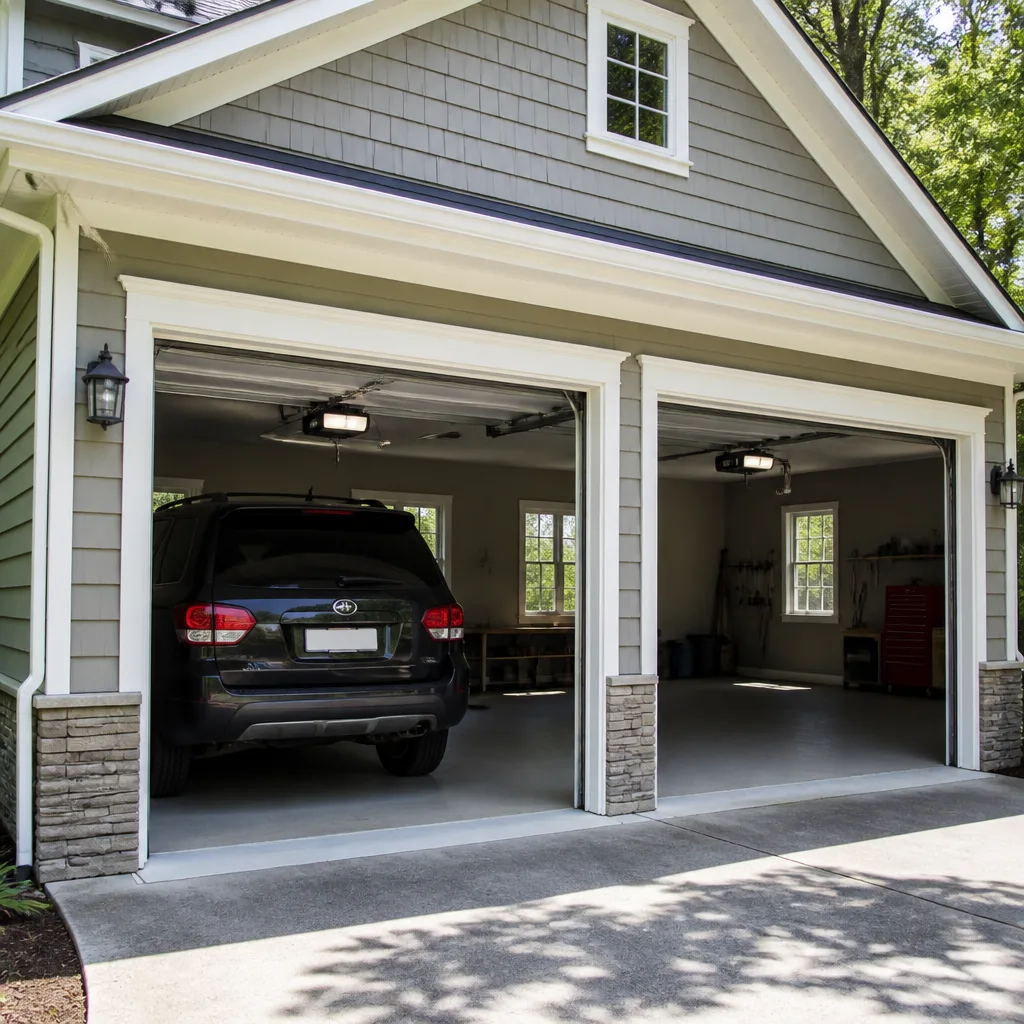 Chamberlain openers
Full 25-point door and opener safety check with every visit - springs, cables, rollers, tracks, and your LiftMaster or Chamberlain opener included
You get a price before we start. It does not change when the pro arrives.
Get your free estimateSeasonal Garage Door Care for Lawrence: Year-Round Homeowner’s Guide
The spring that snaps in February didn’t fail because of February. It failed because of the tension adjustments nobody made in October, the lubricant that gummed up in November, and the freeze-thaw cycle that started working on fatigued metal in December. Most homeowners treat garage door care as a single annual chore, but Lawrence’s climate doesn’t stress a garage door in one way. It stresses it four distinct ways, one per season. This guide breaks down what actually happens to springs, tracks, seals, and openers across a full Lawrence year, what to check before each season turns, and the specific task each season that most homeowners skip.
Quick Answer
Garage door care in Lawrence works best as four short seasonal checkpoints instead of one annual service: a pre-winter pass in fall to set spring tension and swap in cold-rated lubricant, a post-winter alignment check in spring to catch frost heave damage, a humidity and force-setting adjustment in summer, and a hardware and seal inspection in early fall. Each checkpoint takes a homeowner 15 to 30 minutes of visible inspection, with a professional doing the tension and adjustment work. Doing the right task at the right turn of the season prevents most of the failures that show up as emergency calls.
Styles & brands we work with
- Raised-panel steel
- Carriage house
- Modern flush
- Full-view glass
- LiftMaster openers
- Chamberlain openers
Table of Contents
- Why Lawrence’s Seasons Stress Garage Doors Four Different Ways
- Fall: The Highest-Leverage Maintenance Window of the Year
- What Happens to Garage Door Hardware Below 20°F
- Spring Thaw: Frost Heave, Misalignment, and Post-Winter Diagnosis
- Summer Humidity, Wood Panels, and Opener Force Settings
- The One Task Each Season Homeowners Skip
- A Full Year of Garage Door Care: The Lawrence Seasonal Checklist
- Brand-Specific Notes for Lawrence Homes
Why Lawrence’s Seasons Stress Garage Doors Four Different Ways
A garage door is a mechanical system made of materials that respond to temperature and moisture at different rates. Steel tracks expand and contract faster than the wood framing they’re bolted to. Torsion springs lose tension predictably as temperature drops, then gain it back unevenly as temperatures rise. Wood panels swell in humid air and shrink in dry cold. When all of that happens gradually, the door still works. When it happens in a short window – which is exactly what a Lawrence February does – the cumulative stress shows up fast.
Here’s what most homeowners miss: a garage door doesn’t have one failure season. It has four stress patterns that stack up over the year. A door that runs smoothly in August can be silently drifting out of adjustment by November, and the break happens in January. The cause isn’t January weather. It’s the whole sequence.
In Lawrence, the pattern runs like this:
- Fall: temperature swings from mild to cold, spring tension drops below the working range, and the lubricant you used in summer starts to thicken.
- Winter: sustained cold contracts metal, increases stress on springs, and freezes seals to the floor.
- Spring: freeze-thaw cycles in the ground move the concrete and framing under the door, and the thaw reveals issues that built up in winter.
- Summer: humidity swells wood panels and changes their weight, which throws off the opener’s force settings unless those settings track the panel weight.
Treating all four seasons with the same generic “annual maintenance” advice means you’re always reacting to a failure instead of heading it off. The right approach in Lawrence is to match the maintenance task to the seasonal stress, which is what the rest of this guide covers.
Fall: The Highest-Leverage Maintenance Window of the Year
Pre-winter isn’t the season to do the most work on a garage door. It’s the season to do the work that prevents the most winter trouble. If you only do one maintenance pass a year in Lawrence, do it in early-to-mid fall, before the first hard freeze. Every spring, track, and seal that runs smooth in October faces a much lower chance of trouble in January.
Three priorities matter more than everything else in fall:
- Spring tension. As temperatures drop, cold contracts the steel in a torsion spring and effectively increases the load it carries. A spring that’s already near the end of its rated life can let go in the first real cold snap. A trained technician can check the number of turns on the spring, verify lift force at various door heights, and either adjust tension or flag a spring that needs replacement before winter. Don’t adjust spring tension yourself – see the safety note below.
- Bottom seal. The rubber seal at the base of the door is what keeps cold air, snow, and small pests out of the garage. In Lawrence, winter ice can freeze a worn seal to the floor and tear it off when the door lifts. Replace a cracked, hardened, or flattened seal in fall so it’s flexible before the first freeze.
- Cold-weather lubricant swap. Whatever lubricant you used in mid-summer will thicken in cold weather. Thickened grease on rollers, hinges, and the torsion spring adds drag to the whole system and makes the opener work harder. Before winter, clean off the old lubricant from rollers and hinges, and apply a cold-rated lubricant formulated for cold-climate garage doors. This one switch prevents a surprising number of “the door is stuck” calls every January.
Fall is also the right time to check the opener’s logic board settings and travel limits. A door that travels smoothly in mild weather can bottom out or reverse unexpectedly in cold, because the opener’s force settings were tuned to warmer-weather door weight. Since 40°F mornings are common in Lawrence by November, tuning the opener now saves a mid-winter adjustment. For a full manual, our garage door opener repair page covers what travel limits and force settings actually control. If you want the seasonal pre-winter pass done by a technician, our garage door spring repair page explains how spring tuning is handled in cold weather.
What Happens to Garage Door Hardware Below 20°F
Below 20°F, a garage door system stops behaving the way it does the rest of the year. Metal contraction and lubricant thickening combine to make every part of the door work harder – and in Lawrence, sub-20°F mornings are routine through January and February.
Here’s the hardware picture in winter:
- Springs. Steel contracts at cold temperatures. For a torsion spring, this means slightly higher tension in the same number of turns, so a spring that was well-tuned in October can feel different in January. A spring running at the top of its tolerance is more likely to snap in a cold snap. This is the single most common failure point in winter.
- Tracks. Steel tracks in a cold garage contract along their length, and if they are bolted to wood framing that doesn’t contract at the same rate, the track can shift slightly, out of alignment. The rollers then bind against one side, and the door starts pulling to one side as it lifts.
- Rollers and hinges. Grease and oil thicken in cold. Rollers that spun freely in fall now drag, which the opener reads as extra weight and compensates for by boosting force. That compensation is a stress on the opener motor and drive belt.
- Sensors. The safety sensors at the bottom of the doorway can frost over or fog up. A frosted lens produces the same symptom as a misalignment, and the opener “senses” an obstacle when the door is clear.
In winter, the practical homeowner move is to watch for changes rather than try to fix hardware in the cold. If the door starts moving slowly, runnoisily, or reverses at the bottom, stop using the automatic opener and let a technician look at spring tension, track alignment, and opener force settings in a proper inspection. Compounding winter work on a cold, fatigued system is where small issues turn into big ones.
Safety note: Torsion springs on a garage door are high-tension components. Adjusting, replacing, or unwinding a torsion spring requires specialized winding bars and trained hands, and getting it wrong causes serious injury. Do not attempt to adjust spring tension, remove springs, or release tension from a wound spring yourself. That work belongs to a trained technician, and it’s one of the reasons a specialist visit in fall makes more sense than a fall DIY session.
Spring Thaw: Frost Heave, Misalignment, and Post-Winter Diagnosis
New England’s freeze-thaw cycle puts unique stress on the parts of a garage door system that touch the ground. In Lawrence, the soil under a garage slab cycles through freezing and thawing several times between mid-February and mid-April. That cycling can lift and shift the concrete – a process called frost heave – and move the framing around the door along with it.
What frost heave does to a garage door:
- Threshold movement. The garage floor slab can rise a fraction of an inch in one spot and settle in another. When the slab rises under the door opening, the door bottoms out on one side before the other, and the opener stalls or reverses.
- Frame shift. Wood framing that surrounds the door shifts as the ground moves. The tracks attached to the jambs move with it. Since the tracks were aligned to the previous position, the door no longer slides true.
- Weather seal damage. The bottom seal can freeze to the threshold in winter and tear away on the first spring lift. The top weatherstripping and the jamb seals can also chip or harden through a full winter of movement.
- Misalignment you can hear. A door that pulls to one side, scrapes on one track, or sounds louder than it did in October is telling you that post-winter alignment has drifted.
The right spring task in Lawrence is a post-winter diagnostic pass, done after the ground has thawed but before you start using the door heavily again. Here’s what to look at:
- Run the door up and down manually (use the manual release) and listen for scraping or uneven pull.
- Check the bottom seal for tears or gaps that appeared in winter.
- Look at the tracks – they should be parallel and the rollers should run centered in them.
- Verify the safety sensors aren’t fogged, dirty, or knocked out of alignment.
- Call a technician if the door pulls, tilts, or reverses at the threshold, because a post-winter track realignment needs proper measurement and adjustment.
Spring is also the right season to schedule the small corrections you deferred in winter. Call now and a technician comes out once, does all the alignment work, and sets the system up so summer doesn’t compound the issue. A proper post-winter tune-up is the single most underused maintenance task in New England. For the diagnostic approach, our garage door repair page covers how alignment issues are diagnosed.
Summer Humidity, Wood Panels, and Opener Force Settings
Summer in Lawrence brings high humidity, and humidity changes the physical behavior of wood garage door panels. Wood swells when it absorbs moisture and shrinks when it dries out. A wood panel door in a humid Lawrence July carries measurably more weight than it did in a dry April. If the opener isn’t tuned for that weight, it either grinds or fails to lift cleanly.
Clopay and Amarr both sell wood-look and wood-panel doors that are common in older Lawrence homes and in multi-unit residential buildings managed by property managers. On those doors, summer means three things:
- Panel swelling. A panel that was flat in winter swells slightly in humidity, and the door as a whole can shift as much as a fraction of an inch at the seams. If the door has any give, you might notice the bottom panel pushing against the frame.
- Opener force. Garage door openers have force settings for up and down travel that tell the motor how much effort to use. If your door gained 3-5 pounds of effective panel weight in humid air, the force setting that felt right in March is now wrong. The opener may grind, reverse on closing, or fail to lift cleanly. Adjusting force settings is a technician task; it’s also a great reason to have a professional set up opener travel limits with the season in mind.
- Hardware and lubrication. Summer is the right season to clean and re-lubricate the rollers, hinges, and torsion spring with warm-weather lubricant. Whatever you apply in summer needs to be swapped for cold-rated lubricant before winter arrives.
If your opener runs on a smart system, whether it’s a newer LiftMaster or Chamberlain with app controls or a legacy Genie unit, summer is also the time to confirm the app-connected opener is reporting door status accurately. The door weight shifts once, in July, and if nobody resets the force settings, the mismatch stays all year. Our garage door opener repair page covers force settings and travel limits in detail.
The One Task Each Season Homeowners Skip
Every season has a task that matters most and gets skipped most often. Here’s the list – keep it somewhere visible, and it’s the difference between preventing failures and reacting to them.
Fall: Skipped – Replacing the cold-weather lubricant.
Homeowners lubricate something in summer and think they’re done for the year. Cold-weather lubricant is its own product, and the summer lubricant gunking up the rollers in November is a big reason doors start dragging in winter. Skipping this means the opener works harder and the spring wears faster.
Winter: Skipped – Staying off the automatic opener when the door starts dragging.
When a winter door slows, most people push the button harder or increase the force setting. Increase the force and the opener masks the symptom while the actual spring or track problem worsens. Stop using the door and get it inspected.
Spring: Skipped – A post-winter alignment check.
Spring arrives, the door works, and nobody bothers to look at the tracks. Frost heave moves the slab slightly, and the drift in alignment compounds through the year. A 15-minute check after the thaw prevents big alignment problems in July.
Summer: Skipped – Resetting opener force settings after the humidity shift.
The door weighs more in July than in April, and nobody realizes the opener should be retuned. That mismatch can run all year, and the opener pays for it in belt wear, motor strain, and premature failure.
A Full Year of Garage Door Care: The Lawrence Seasonal Checklist
Here’s the whole year at a glance. Each season’s tasks are meant to be done in the weeks before the season turns, not in the middle of it – so the door is prepared before the stress hits. The homeowner can do the visible inspection items, and the adjustment and tension tasks belong with a technician.
Early Fall (do before the first hard freeze)
- Schedule a technician spring tension check and tune. Mark this one as the highest priority.
- Inspect the bottom seal for cracking, hardening, or compression. Replace if worn.
- Clean old lubricant off rollers and hinges and apply cold-rated lubricant.
- Test the safety sensors and confirm the door reverses on obstacle.
- Have the opener’s force settings and travel limits adjusted for cold-weather door weight.
Winter (ongoing checks)
- Listen for changes in door sound week to week.
- Clear snow and ice from the threshold so the seal doesn’t freeze to the slab.
- Clear the safety sensor lenses at the bottom corners of the doorway.
- If the door starts dragging or reversing without a clear cause, stop using the automatic opener and call a technician.
Early Spring (after the ground thaws)
- Cycle the door manually to listen for scraping or uneven pull.
- Inspect tracks for parallel alignment and roller centering.
- Replace any weatherstripping damaged over winter.
- Schedule a post-winter diagnostic and realignment if the door pulls, tilts, or bottoms out unevenly.
Summer
- Confirm the opener’s force settings match the humid-weather door weight.
- Re-lubricate rollers and hinges with summer-rated lubricant.
- For wood doors, check panel seams for swelling and note any doors that rub on the frame.
- Test the safety sensors monthly.
- Check opener travel limits and adjust if the door doesn’t fully close.
Brand-Specific Notes for Lawrence Homes
Seasonal care is not the same for every brand and every door. Lawrence’s housing stock includes a mix of newer builds with modern smart openers and older homes with legacy mechanical systems, and the seasonal maintenance points differ accordingly. We work on all the major platforms homeowners actually own, including LiftMaster, Chamberlain, Genie, Clopay, Amarr, Wayne Dalton, Craftsman, and Raynor, and the seasonal notes differ by brand.
- LiftMaster and Chamberlain: Many of these units include Wi-Fi-connected logic boards with force and travel settings that can be tracked in an app. In summer, that makes resetting opener force settings easy for a homeowner to notice – but the actual tuning is best done by a technician, since the logic board settings and the physical door weight have to match.
- Genie: Older Genie units are common in Lawrence homes built in the 1990s and 2000s, and those units often need the summer force reset the most, since the older logic boards don’t always compensate for seasonal door weight as well as newer boards do.
- Clopay and Amarr: Many Clopay and Amarr doors are wood-panel or wood-look steel, and the wood-panel versions need the summer humidity check most. If the door has wood panels, watch for panel swelling at the seams and schedule an alignment check if the bottom panel starts rubbing on the frame after the summer.
- Wayne Dalton and Raynor: Both brands appear on older Lawrence homes and multi-unit buildings, and their doors are frequently heavier than modern panels, which makes the seasonal force reset and spring tension check more important than on a lightweight door.
- Craftsman: Craftsman openers are common on legacy systems, and cold weather is rougher on their drive belts and gear assemblies than on newer systems. Fall is the right season to have those units inspected.
If you’re property manager of a multi-unit building, the seasonal care calendar multiplies. Every unit’s door needs its own fall tune-up, spring alignment check, and summer force setting review. Having one bookmarked date in early fall for the whole building’s spring tension check makes the work far easier to keep on schedule. Our garage door spring repair page goes into the spring tuning details, and our Lawrence Garage Door Repair Pros homepage covers the overall repair approach.
Common Mistakes to Avoid
- Greasing the spring and calling it seasonal maintenance. Lubricant on the torsion spring is fine – the spring needs it. But greasing the spring and ignoring the rollers, hinges, and bottom seal is like oiling one hinge and calling the door serviced. Every season has different wear points, and skipping the rest leaves the door out of balance.
- Using the same summer lubricant all year. The most common Lawrence mistake. Summer lubricant thickens visibly below 30°F, adds drag, and forces the opener to work harder. Swap to cold-rated lubricant in late fall, and back to summer-rated in late spring.
- Increasing opener force to “fix” a dragging door. When a door drags in winter, the impulse is to push the force setting higher. That hides the symptom while the actual cause – a fatigued spring, a misaligned track, or a thick lubricant – gets worse. Increasing force is a technician decision, not a homeowner fix.
- Skipping the post-winter alignment check. In Lawrence, the freeze-thaw cycle can visibly shift a threshold or a frame, but the drift is gradual enough that the door never gives the homeowner an obvious clue. A 15-minute check after the thaw catches the drift before summer compounds it.
- Ignoring wood-panel swelling in summer. A Clopay or Amarr wood-panel door that rubs on the frame in a humid Lawrence July is telling you its force settings need a technician look. If you don’t reset the opener, the door and the opener both wear faster through the year.
- Adjusting spring tension at home. This one is the most important. Torsion springs are under extreme tension, and the winding tools (bars) and the procedures for safe adjustment are specialized. Attempting to adjust or release tension yourself is a real injury risk. Every spring and tension task in this guide belongs with a trained technician.
- Treating “annual maintenance” as a single visit. A garage door in Lawrence faces four different stress patterns in a year. One visit is better than none, but matching maintenance to the season prevents failures better than a single generic tune-up.
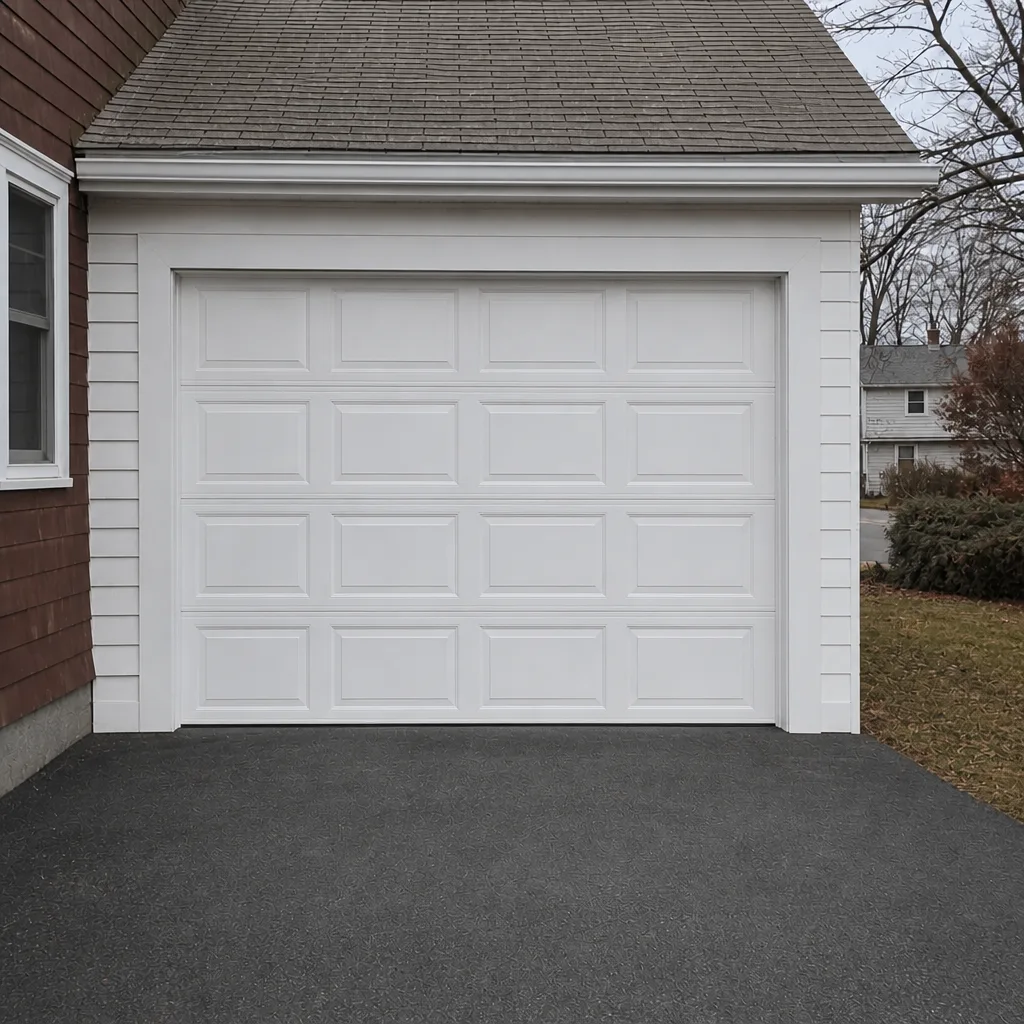
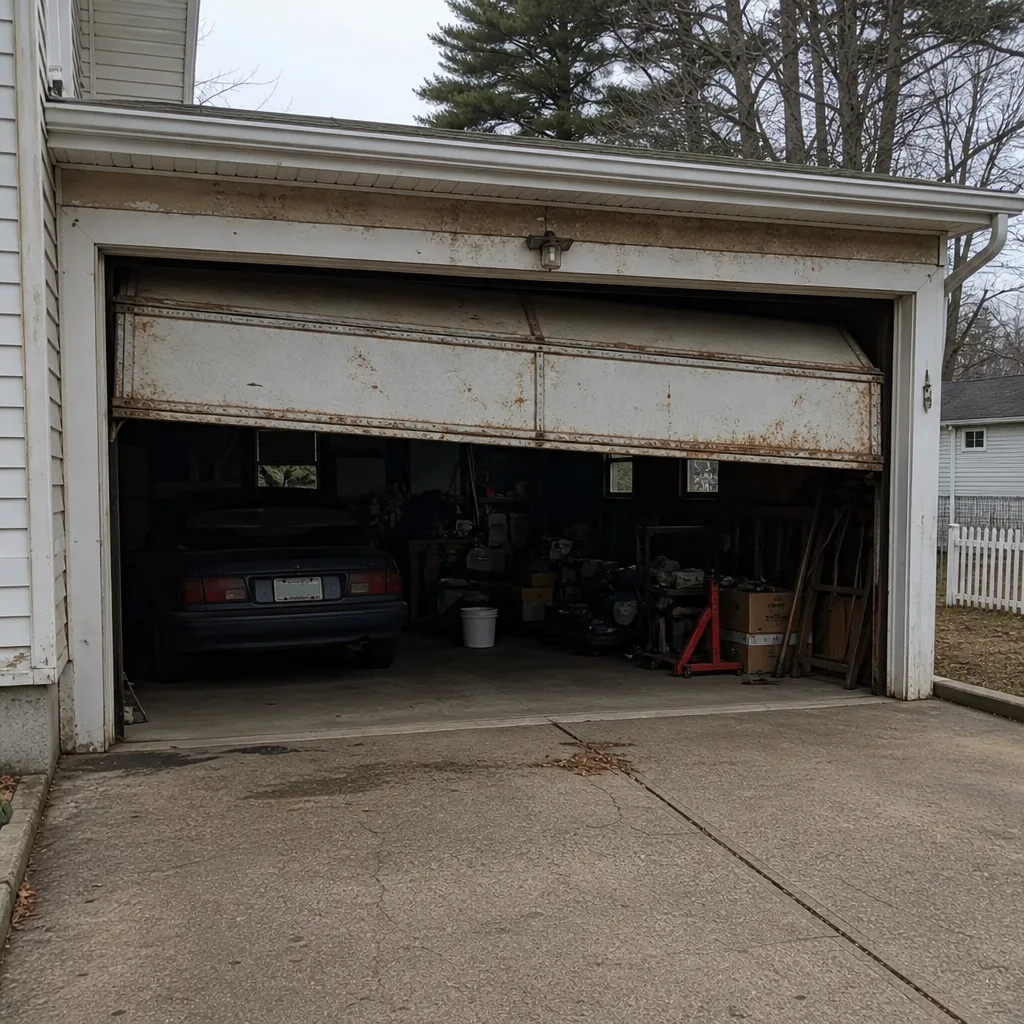
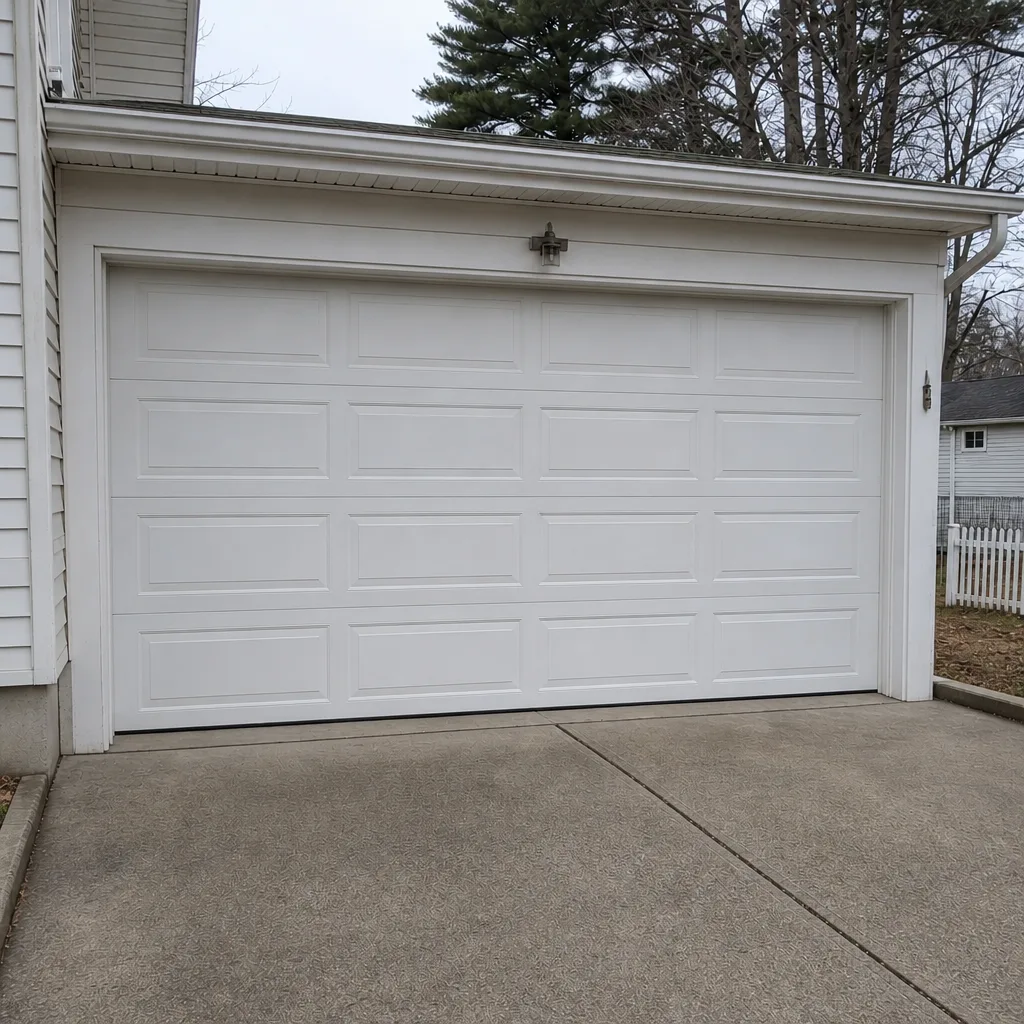
See the difference
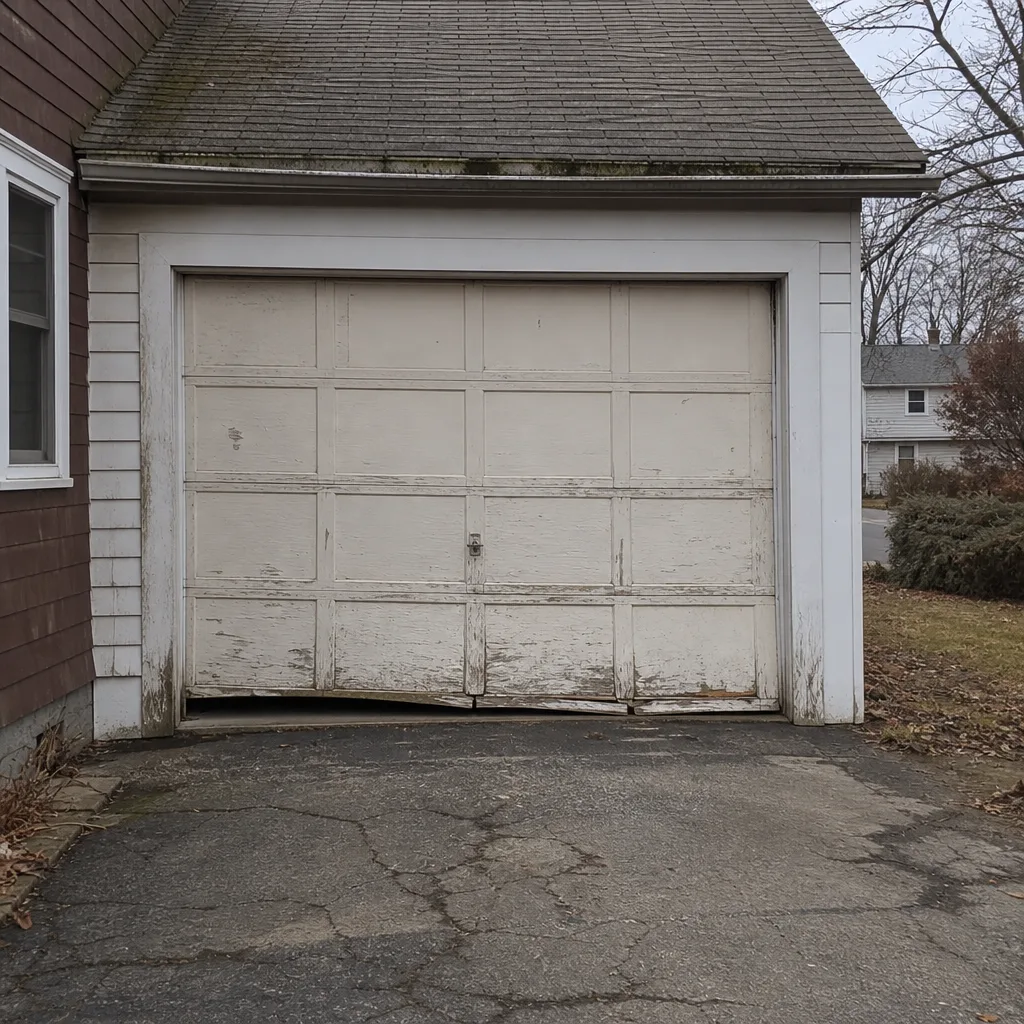 Before
 After
 Before
 After
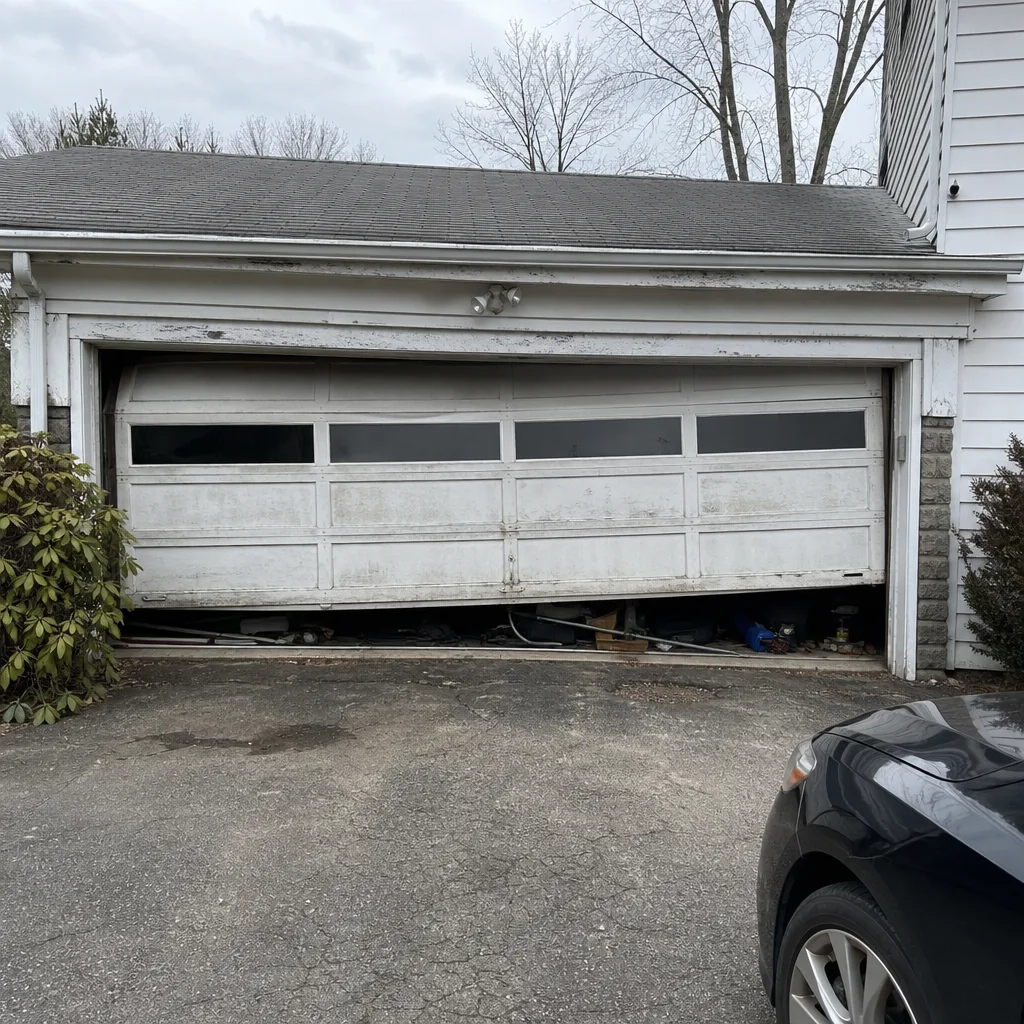 Before
 After
When to Call a Professional
Some of the work in this guide is a homeowner inspection. The adjustment and tension work is not. Call a professional when the door drags, pulls to one side, reverses unexpectedly, or sounds noticeably different than it did the prior month – any of those is a sign the spring, tracks, or opener needs proper diagnosis. Call if the bottom seal has torn or the door no longer closes flush. Call before winter for a spring tension check even if the door seems fine, because the smallest and cheapest fix is the one scheduled ahead of the freeze. And call after a winter or spring threshold shift if the door bottoms out unevenly. Lawrence Garage Door Repair Pros offers free estimates in Lawrence – call (855) 761-3321. Our technicians have up to 10 years of experience and work on the brands homeowners actually own, from Genie and Clopay to Amarr and Wayne Dalton. The local pro is licensed and insured as their state requires, and the price is quoted and agreed before any work starts.
Frequently Asked Questions
Four times a year, matched to the seasonal stress pattern: fall, winter, spring, and summer, with the fall pass being the highest priority. A single annual tune-up is better than none, but it can’t catch the four distinct stress patterns Lawrence’s climate produces. Each season’s pass is short – 15 to 30 minutes of homeowner inspection with the adjustment work handled by a technician.
Cold weather does three things: it thickens the lubricant on rollers and hinges, it contracts the steel tracks and slightly raises torsion spring load, and it can freeze the bottom seal to the threshold. All three add drag, and the opener has to work harder to lift the door. The fix is a pre-winter lubricant swap, a spring tension check, and a seal inspection – not increasing the opener’s force setting.
No. Torsion springs are high-tension components under thousands of pounds of force, and adjusting or releasing the tension requires specialized winding bars and trained hands. Getting it wrong causes serious injury. Spring tension adjustment belongs with a trained technician on every season’s schedule. Call (855) 761-3321 for a free estimate on a seasonal spring check.
Frost heave is the lifting and shifting of concrete and soil caused by repeated freezing and thawing. In Lawrence, the freeze-thaw cycle moves the garage floor slab and the framing around the door, which can put the door out of alignment so it bottoms out unevenly or pulls to one side as it lifts. A post-winter alignment check catches the problem before it compounds in summer.
No. We quote the price and agree on it before any work starts, and the written quote sets the final price. Free estimates mean you get a firm number before you commit to the work.
The local professional we connect you with is licensed and insured as their state requires. The work is done by trained technicians who have up to 10 years of experience. Call (855) 761-3321 for a free estimate – estimates are free.
The Bottom Line
Garage door care in Lawrence isn’t one annual chore. It’s four short seasonal checkpoints matched to four distinct mechanical stress patterns: a fall pass to set spring tension, swap lubricant, and prepare the seal for freezing; a winter watch for dragging doors and rising force settings; a post-winter alignment check after the freeze-thaw moves the slab and frame; and a summer reset for humid door weight and opener force settings. The spring that snaps in February failed months earlier. Doing the right preventive task at the right turn of the season is what heads off the emergency. If you want the adjustment tasks handled by a specialist who knows your brand, call Lawrence Garage Door Repair Pros at (855) 761-3321 for a free estimate.
Written by the team at Lawrence Garage Door Repair Pros.