Last updated November 20, 2026
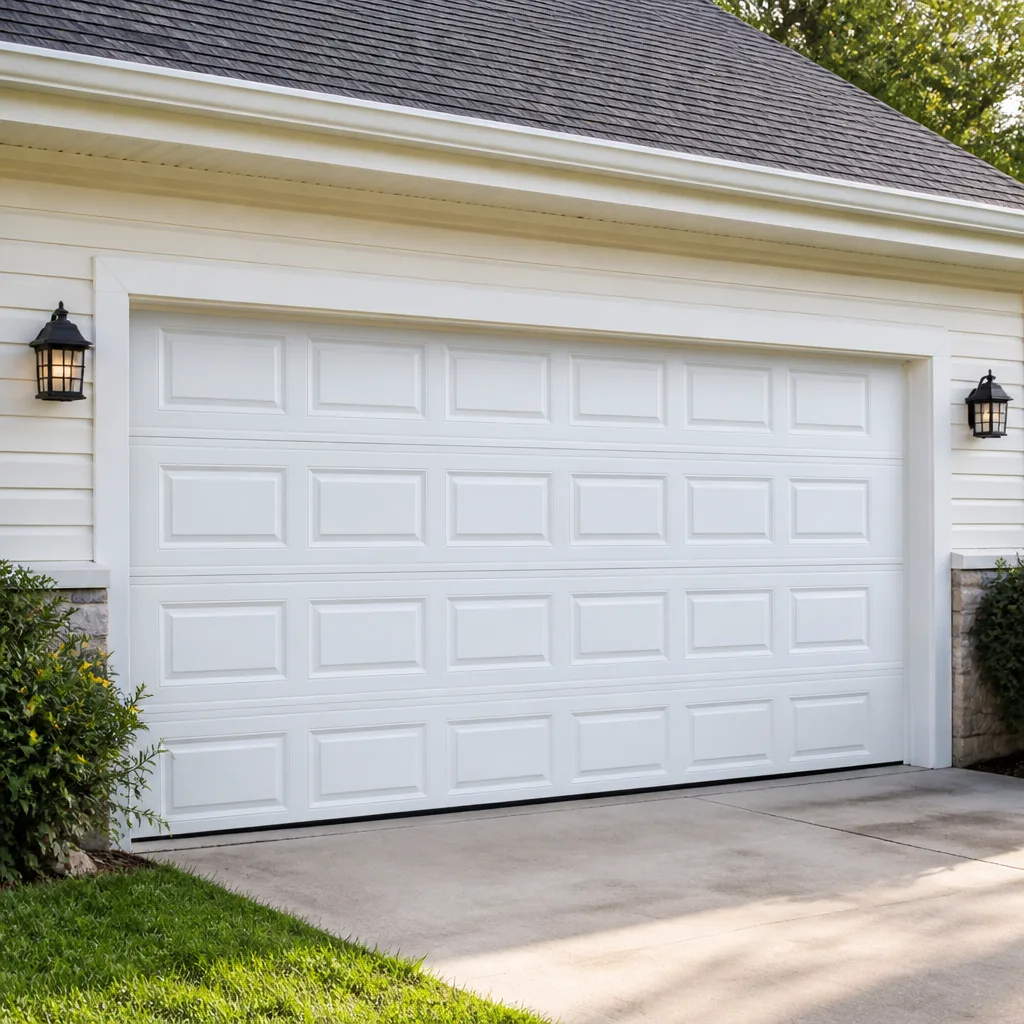 Raised-panel steel
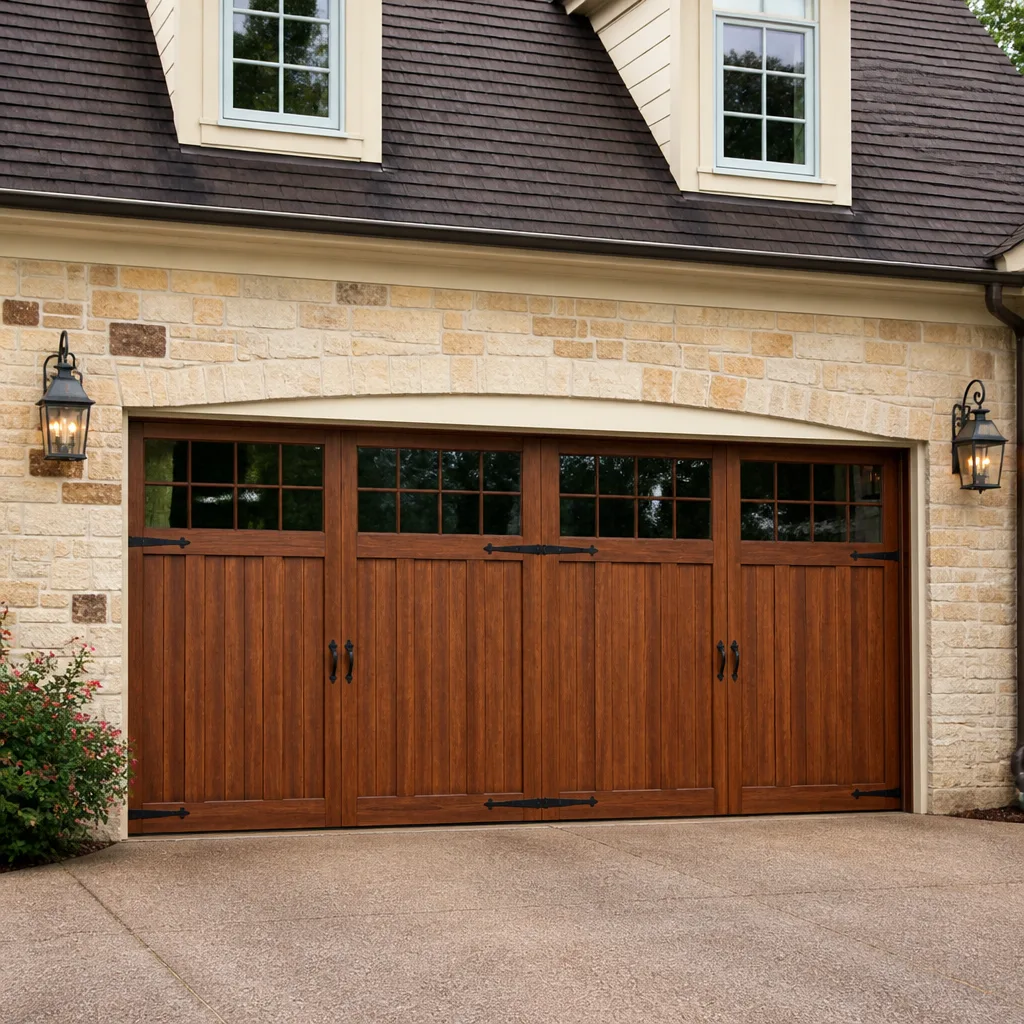 Carriage house
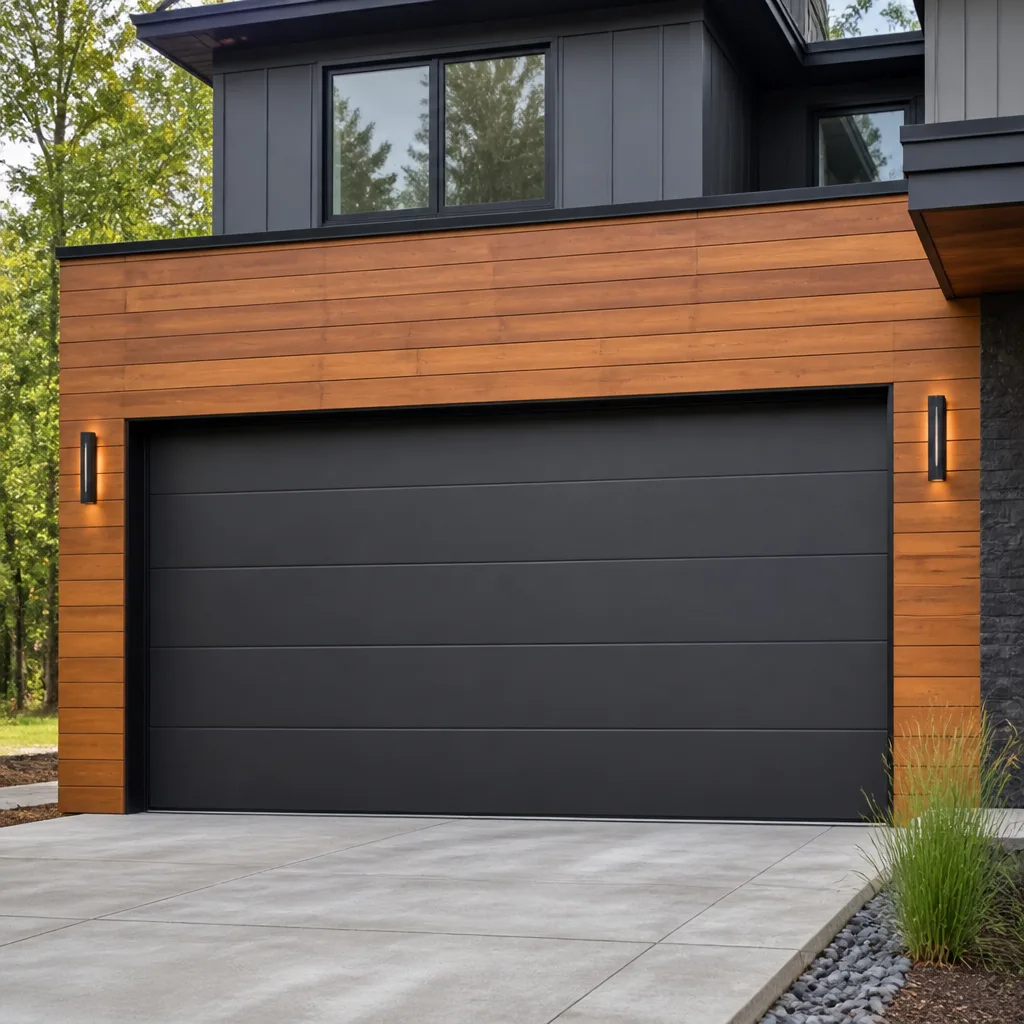 Modern flush
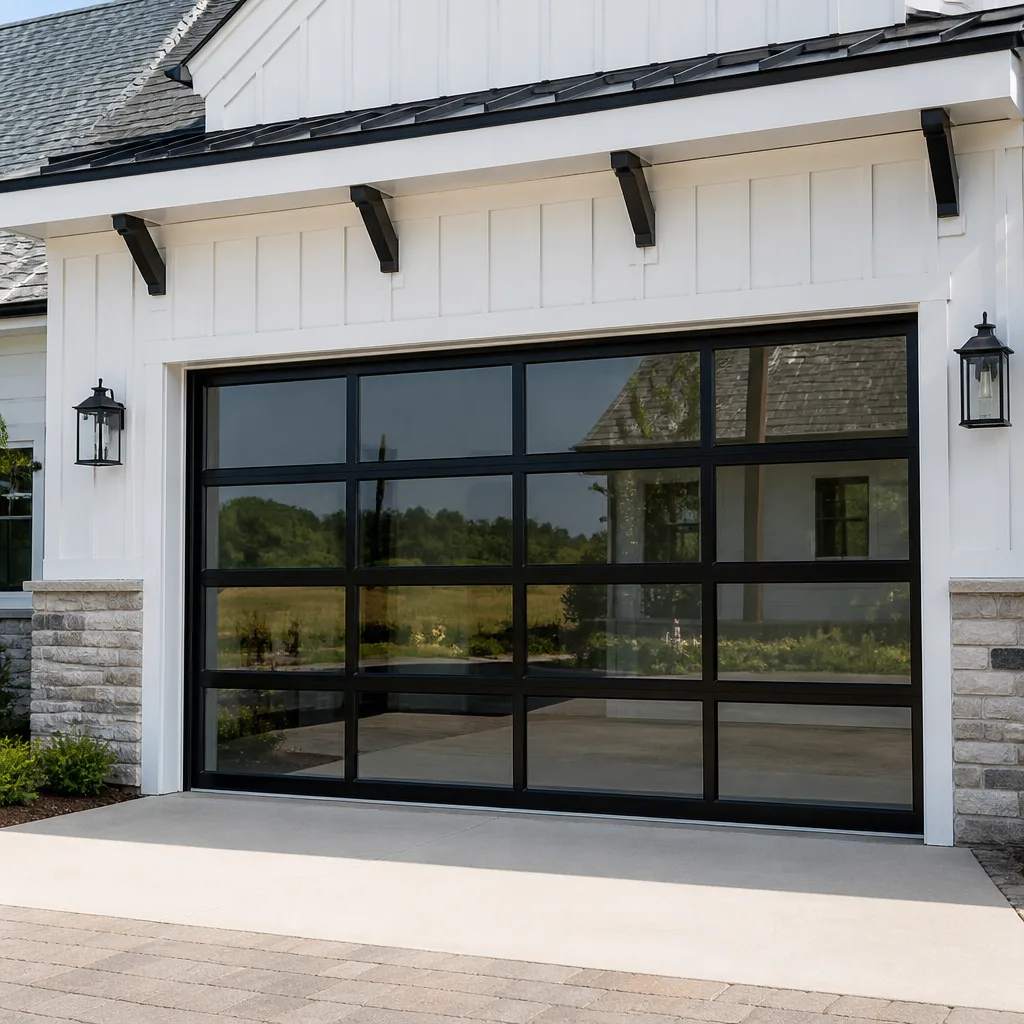 Full-view glass
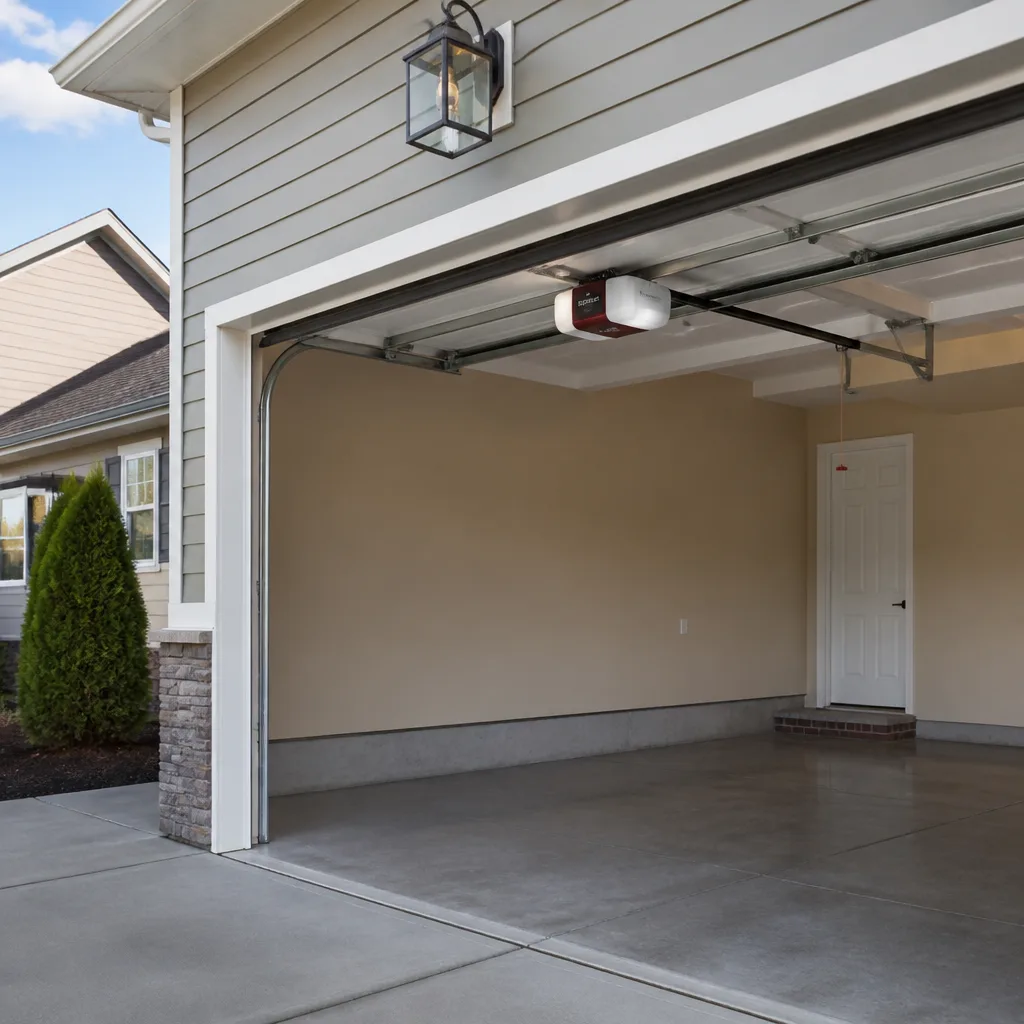 LiftMaster openers
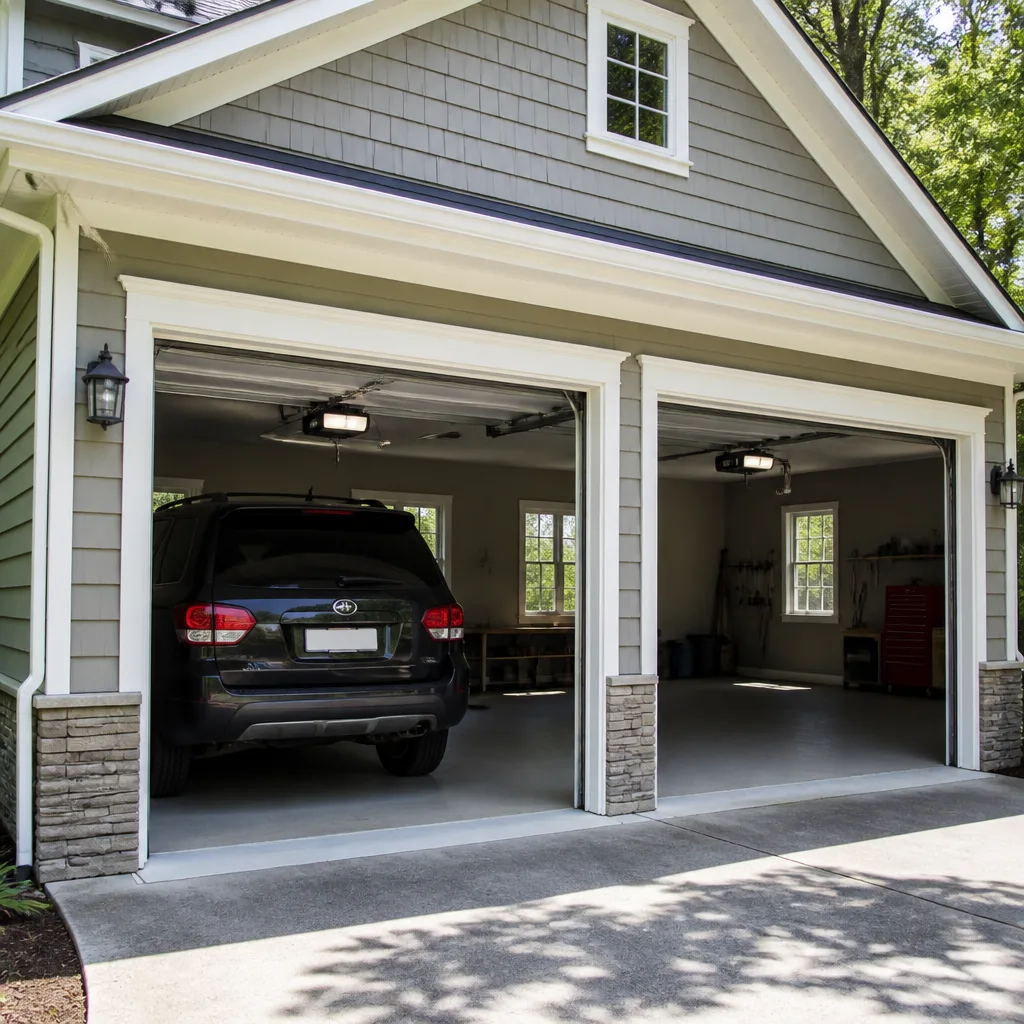 Chamberlain openers
Full 25-point door and opener safety check with every visit - springs, cables, rollers, tracks, and your LiftMaster or Chamberlain opener included
You get a price before we start. It does not change when the pro arrives.
Get your free estimateGarage Door Repair Maintenance Checklist for Lawrence Homeowners
A lot of homeowners “maintain” their garage door by spraying WD-40 on the tracks once a year. That isn’t maintenance. It’s a slow way to wreck your rollers. WD-40 is a solvent, not a lubricant, and it strips the factory grease out of sealed roller bearings and leaves the metal dry. The rollers start grinding, the track wears, and a door that should have run quietly for years starts sounding like a train. The wrong product on the wrong component is one of the most common causes of premature failure we see in Lawrence. This guide is built around something better than a task list: it’s built around symptoms. What a failing spring looks like before it snaps. What a door that’s out of balance actually does when you test it. What to check before the first hard freeze in the Merrimack Valley and again after the thaw. Read it once, then use it as a seasonal reference.
Quick Answer
A garage door maintenance checklist for Lawrence homeowners should cover four systems: the springs and cables (visual inspection, never adjustment), the rollers and hinges (correct lubricant only), the tracks (alignment and debris, not grease), and the opener (balance test, safety reverse test, and force settings). Check the door once in fall before freezing weather and once in spring after the frost leaves the ground. Most of what fails can be caught early just by watching and listening, and anything involving the torsion spring, cables, or the opener’s internal logic board should go to a trained technician.
Styles & brands we work with
- Raised-panel steel
- Carriage house
- Modern flush
- Full-view glass
- LiftMaster openers
- Chamberlain openers
Table of Contents
- Which Lubricant Goes Where (and Why WD-40 Doesn’t Belong on Your Tracks)
- How to Run a Real Balance Test and Read the Result
- Spotting a Torsion Spring That’s About to Fail
- A Lawrence Seasonal Calendar: Pre-Winter and Post-Frost Checks
- Opener Care Without Voiding Your Warranty
- Rollers, Hinges, and Tracks: The Parts You Can Actually Inspect
- Safety Features: Testing What Protects Your Family
- When a Symptom Means Stop and Call
Which Lubricant Goes Where (and Why WD-40 Doesn’t Belong on Your Tracks)
Here’s the part most checklists get wrong. Garage doors have several moving surfaces, and they don’t take the same product. Put the right lubricant in the right place and a door runs quieter and lasts longer. Put the wrong one somewhere and you attract grit that turns into a grinding paste.
Start with the tracks themselves. They should be clean and dry, not greasy. The vertical and horizontal tracks guide the rollers and the door edge, and any lubricant on them collects dust, pollen, and grit until the rollers are skidding rather than rolling. Wipe the tracks down with a damp cloth and a little mild detergent, then leave them alone. If you want smoother travel, the lubricant goes on the roller, not the rail.
Here’s where each product belongs:
- Rollers: a silicone-based or white lithium spray, applied to the roller bearing inside the hinge, not to the outside of the roller that touches the track. Sealed rollers can’t be lubricated and get replaced instead.
- Hinges: a few drops of light machine oil or a white lithium spray at each pivot point, once or twice a year.
- Torsion spring: a purpose-made garage door spring lubricant, sprayed lightly along the coil to reduce friction between coils. This is a light coat only. A dripping spring collects dust and does nothing to prevent a break.
- Opener rail or chain: whatever the opener manufacturer specifies. Chain-drive units typically want a specific chain lube, and belt-drive units usually want nothing at all on the belt.
What to keep off the door entirely: WD-40 in the tracks, cooking spray, motor oil, and axle grease. They either strip the existing lubricant or hold onto every particle of grit the door picks up. We’ve seen doors in Lawrence where a decade of the wrong spray had worn the rollers flat and scored the rails, and the fix was a full roller and track replacement instead of a five-dollar can of the right stuff. If you’re ever unsure what your specific unit wants, check the manual or ask us; a quick question now saves a repair later. For a deeper look at fixing rollers, tracks, and panels once wear has set in, see our page on garage door repair.
How to Run a Real Balance Test and Read the Result
The balance test is the single most useful thing a homeowner can do, but most instructions end at “the door should stay put.” They never explain what failure actually looks like when you do it, which is why people miss the warning signs.
Here’s the real procedure. Disconnect the opener first – pull the manual release cord so the door runs by hand. Move the door to about halfway up and let go. A healthy door holds its position, or drifts no more than a couple of inches. Now open it fully by hand and watch how much effort it takes. Then close it by hand and watch it come down.
What a failing result looks like in practice, not theory:
- The door slams down when released. It falls fast instead of drifting. That means the springs have lost tension or a cable is slack. Do not keep testing it; a door that falls is a door that can come off its tracks. Call for service.
- The door won’t stay open at halfway. It drops or rises on its own from the halfway point. Springs are out of balance with the door’s weight.
- The door is heavy at the bottom and light at the top. You’re fighting the full weight of the door for the last foot. Torsion springs are the counterweight; when they weaken, you feel the door’s real weight.
- The door jams or grinds on one side. That’s usually a track or roller issue, not balance, but a door that’s out of balance will wear one side faster and cause it.
- The door creeps in one direction on its own. You set it at halfway, come back a minute later, and it has drifted. Springs are close to the end of their cycle life.
Anything in that first bracket is a stop-and-call situation. A torsion spring under load stores enough energy to cause serious injury, and the balance test itself is where a door can drop unexpectedly. If your door fails the balance test in Lawrence, don’t run it another cycle to “see if it clears up” – a struggling spring doesn’t heal, it just gets closer to letting go. Our garage door spring repair team can confirm what the test is telling you and quote the fix before anything is touched.
Spotting a Torsion Spring That’s About to Fail
A spring rarely breaks without warning. It gives you signs for weeks, sometimes months, before it lets go. The problem is most homeowners don’t know what a failing spring looks like, so they find out the hard way when the door won’t lift at all.
Most residential doors use a torsion spring mounted on a steel shaft above the door, or extension springs along the horizontal tracks. The torsion spring is a coiled steel bar under constant tension. When it’s healthy, it looks like a tight, evenly spaced coil. When it’s on its way out, it starts to show:
- A visible gap between coils. Even spacing, no gaps. If you see one section stretched or a gap at the end, the spring has already lost some tension.
- Rust or pitting on the coil. Rust creates a stress point where the steel cracks. In Lawrence, our humid summers and freeze-thaw winters put springs through real stress. A spring that looks pitted is a spring to replace before it goes.
- A creaking, popping, or groaning sound as the door moves. A healthy spring is nearly silent. A rhythmic pop that happens at the same point in the door’s travel each cycle is a coil binding or a crack starting.
- The door lifts hard for the first foot then eases up. That’s the feel of a spring that’s already weaker than it should be.
- A clean break, two halves hanging loose. This is the final stage. If you see it, the door is dead and the door is not safe to operate.
Here’s the part worth saying plainly: this is a visual inspection only. Do not try to adjust the spring, wind it, or unwind a broken one yourself. Torsion springs are high-tension components and a slip with the winding bars can cause serious injury. Same for the cables running alongside them. If you see a broken spring, an uneven gap, or heavy rust, stop and get a trained technician out. A matched pair of springs is usually replaced together, since if one has failed the other is almost always worn to the same point. If you’re seeing any of the symptoms above in Lawrence, our spring specialists can assess it and get you back in service today.
A Lawrence Seasonal Calendar: Pre-Winter and Post-Frost Checks
Garage doors in Lawrence live through something the generic checklists ignore. Our winters swing hard between freezing and thawing, and our springs and soil are both affected. New England’s frost can lift and shift the ground around a slab, and every time the temperature drops, the metal of your door and track contracts a little. Two checks a year, timed to the season, catch what an annual once-over misses.
Pre-Winter Check (Late Fall)
Before the first hard freeze, focus on the parts that fail under cold and load:
- Inspect the cables for fraying, kinks, and slack. A cable with a broken strand looks like a frayed thread on its surface. Cables carry enormous tension and a snapped one is dangerous.
- Test the balance using the steps above while the weather is still mild, so you have time to schedule a repair before a cold snap.
- Lubricate the hinges and rollers so the door moves freely when the grease thickens in cold weather.
- Check the weather seal at the bottom of the door. A worn seal lets cold air and moisture in and can freeze to the ground, straining the opener on the way up.
- Clear debris from the tracks and confirm the door doesn’t rub the frame as wood and metal shrink slightly in cold.
Post-Frost Check (Spring)
After the ground thaws and the last freezes are behind us, focus on what winter moved:
- Look at spring alignment. A spring that ran quietly in the fall may now show uneven gaps or sit slightly off-center if the door settled over the winter.
- Check the concrete slab where the tracks anchor. Frost heave can lift a corner and pull the vertical track out of plumb; you’ll see the door rub on one side.
- Re-test the balance and re-lubricate the moving surfaces after the dry, cold months.
- Watch the door travel fully open and closed. Listen for new creaks or pops that weren’t there in the fall.
If you’re a property manager looking after multiple doors on one building, scheduling both of these checks building-wide catches the same failure across units before it strands a tenant. A door that fails in a Lawrence January is an inconvenience; a door that fails on a holiday or a weekend is a bigger problem. Sunday appointments are the practical option for a door that fails on a Saturday, since we’re closed on Saturdays.
Opener Care Without Voiding Your Warranty
Openers are where well-meaning maintenance does the most warranty damage. The good news: almost everything you need to check on a LiftMaster, Chamberlain, Genie, or Craftsman unit is on the outside, and none of it requires opening the motor housing. The logic board and internal electrical components live inside, and that’s where you should stop.
Here’s what’s safe to do and what voids the warranty:
- Safe: testing the safety reverse, testing the balance of the door, checking the opener’s light bulb, cleaning the wall button, and re-pairing a remote or keypad following the manual.
- Safe: adjusting the travel limits and force settings using the adjustment screws or dials on the outside of the unit, as described in your manual. Modern smart openers often let you do this from an app or the wall control panel.
- Not safe: opening the housing to access the logic board, replacing capacitors or gears yourself, or splicing wires into the unit. That’s both a warranty issue and an electrical risk, and opener motors run on household current.
- Not safe: spraying lubricant into the opener’s circuit area or using WD-40 on the drive gear. Follow the manual for chain lubrication, and skip it entirely on belt drives.
If your opener is a LiftMaster or Chamberlain with a Wi-Fi module, or a Genie or Craftsman system with a legacy chain drive, the difference in how you care for it is mostly in the manual and the app. What doesn’t change is the rule: outside the housing is your territory, inside it belongs to a technician. For the full repair picture on openers, jump to garage door opener repair.
Rollers, Hinges, and Tracks: The Parts You Can Actually Inspect
Rollers, hinges, and tracks take almost all the daily wear, and they’re also the parts where the right maintenance makes the biggest visible difference. The trick is knowing which rollers can be lubricated and which just get replaced.
Look at each roller where it meets the hinge. Sealed rollers have a metal cap or a closed bearing and can’t take lubricant, so they get replaced when they start rumbling. Open rollers have a visible bearing inside the hinge that takes a drop of lubricant. Roll a door by hand; if the roller spins freely with a smooth sound, it’s healthy. If it crunches, squeals, or won’t spin, it’s worn.
The tracks should be clean, straight, and evenly spaced from the door edge. Here’s what to check:
- Dents and bends. A bent track forces rollers to fight the rail. Small dents can sometimes be straightened, but a badly bent track is a replacement.
- Loose bolts at the track brackets. Firm them up by hand with a wrench, but don’t overtighten; the brackets hold the track in alignment and overtightening can pull a track out of line.
- Uniform gap from the door edge. The track should be the same distance from the door on both sides. If one side is closer, the door rubs there and wears faster.
- Hinge wear. Hinges at the bottom of the door take the most load. Look for cracked metal or a hinge that’s loose in its screws.
If the tracks are visibly out of plumb, or the door has popped out of them, stop operating it until a technician can realign it. A door that’s off-track under opener force is a door that can come down hard. For Raynor, Clopay, and Amarr doors in particular, the panel and track geometry is specific enough that a trained eye can spot wear sooner than a homeowner would. If your door has these symptoms in Lawrence, our team can straighten or replace the misbehaving parts and leave the rest of the door alone. If you’ve been looking for Lawrence Garage Door Repair Pros, this is the work we do all day.
Safety Features: Testing What Protects Your Family
Every automatic door has two safety systems, and most homeowners never test either. Ten minutes twice a year is the whole maintenance budget for both.
The balance test covers the spring and cable health. The other two are on the opener:
- The safety reverse test. Place a small object like a 2×4 flat on the floor under the door and close it. The door should reverse when it contacts the object. If it presses down or grinds along the floor, the opener’s force setting is too high or the photosensors are misaligned.
- The photo-eye test. With the door closing, wave an object between the two sensors mounted at the bottom of the tracks. The door should stop and reverse. If it doesn’t, there’s a wiring or logic issue, and the door is not safe to leave closing unattended.
The force setting is the one that causes trouble. It exists to let the opener push past small resistance, not to compensate for a door that’s binding. When someone turns the force up to make a stiff door close, they override the safety reverse. That’s a warranty-voiding shortcut and a genuine hazard. If your door only closes when the force is high, the problem is the door, not the setting. Our team can test both systems on a Lawrence door and tell you which component is failing; our technicians have up to 10 years of experience with these units, and the fix is usually a force adjustment back to spec or a photosensor alignment. Sprint back to the top for the lubrication rules if you want the full picture on keeping the moving parts healthy.
When a Symptom Means Stop and Call
Some symptoms are checklist items. Some are stop signs. A broken torsion spring, a slack or frayed cable, a door that has come off its tracks, an opener that reverses unpredictably, or a door that slams closed are all situations to leave alone and hand to a technician. They are high-tension or high-voltage hazards, and the difference between a safe repair and a serious injury is often just having the right tools and the training.
The symptoms that are fine to handle yourself: a squeaky hinge, a worn weather seal, a dirty track, a remote that needs re-pairing, and the seasonal visual checks. The symptoms that are not: anything touching the springs and cables, anything inside the opener housing, and any door that fails the balance test.
Lawrence Garage Door Repair Pros offers free estimates in Lawrence. We work on LiftMaster, Chamberlain, Genie, Clopay, Amarr, Wayne Dalton, Craftsman, and Raynor equipment, so whatever brand is on your door, we can diagnose it. Call (855) 761-3321 and we’ll quote the repair before any work starts, and we can often get a broken door back in service the same day we see it.
Common Mistakes to Avoid
- Spraying WD-40 on the tracks. It’s a solvent, not a lubricant. It strips the roller bearings dry and leaves the door grinding. Use a silicone or white lithium spray on the roller bearings and keep the tracks clean and dry.
- Turning up the force setting to make a binding door close. A high force setting overrides the safety reverse, which is the system that stops the door on a child or pet. If the door binds, fix the bind.
- Ignoring a creak that appears at the same point in every cycle. A rhythmic pop at the same spot almost always means a hinge, a roller, or a spring is already failing. Catching it early is a small repair; catching it late is a big one.
- Replacing one spring of a pair. Matched springs are installed together and wear together, so a single replacement leaves the door unbalanced. When a pair has run its life, it gets replaced as a pair.
- Skipping the post-frost check. In Lawrence, the ground shifts over the winter and a track that was square in October can be out of plumb by April. A spring and track alignment check every spring catches what a fall-only routine misses.
- Lubricating the opener’s internal components. Spraying inside the housing or onto the logic board voids the warranty and risks electrical damage. Keep the inside of a LiftMaster, Chamberlain, Genie, or Craftsman unit closed to a technician.
- Treating the balance test as a formality. Running the balance test and ignoring a poor result is worse than not testing at all. A door that fails is a door that’s getting closer to coming down under force.
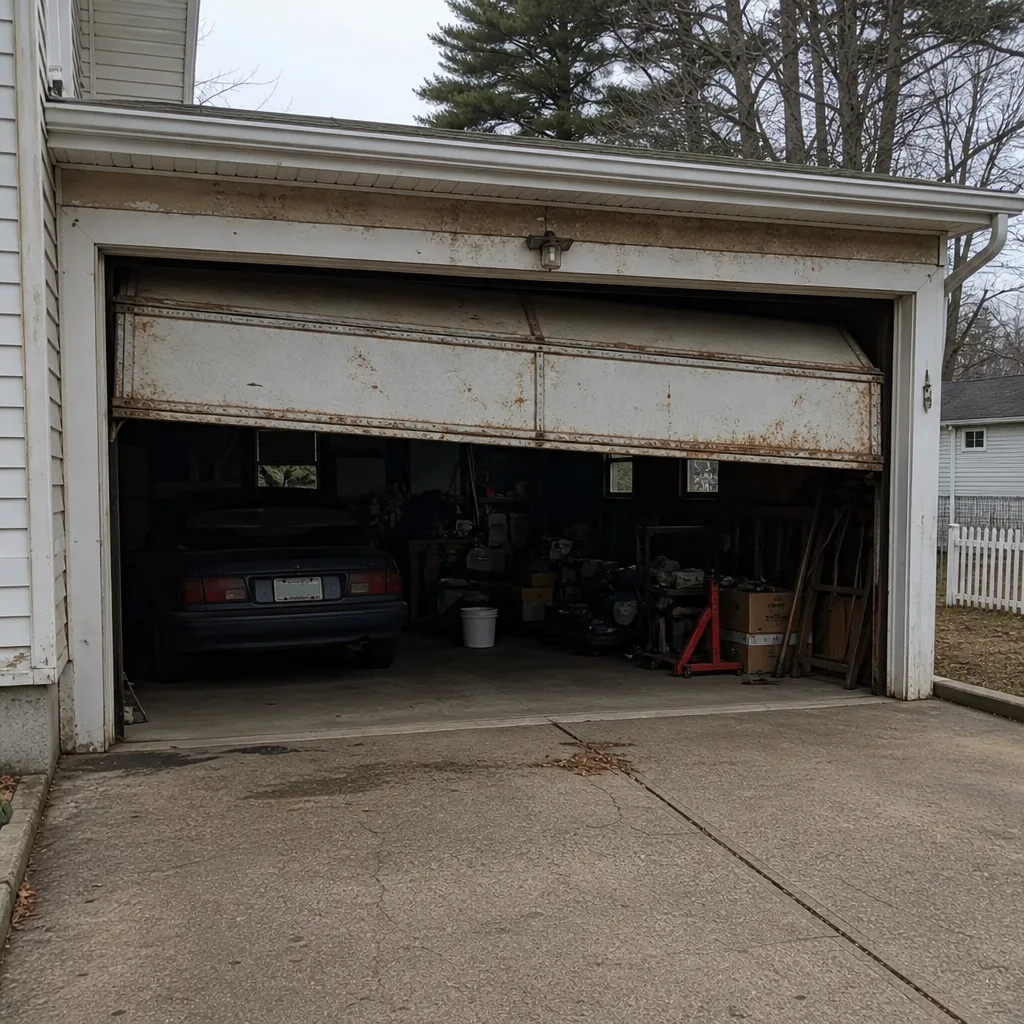
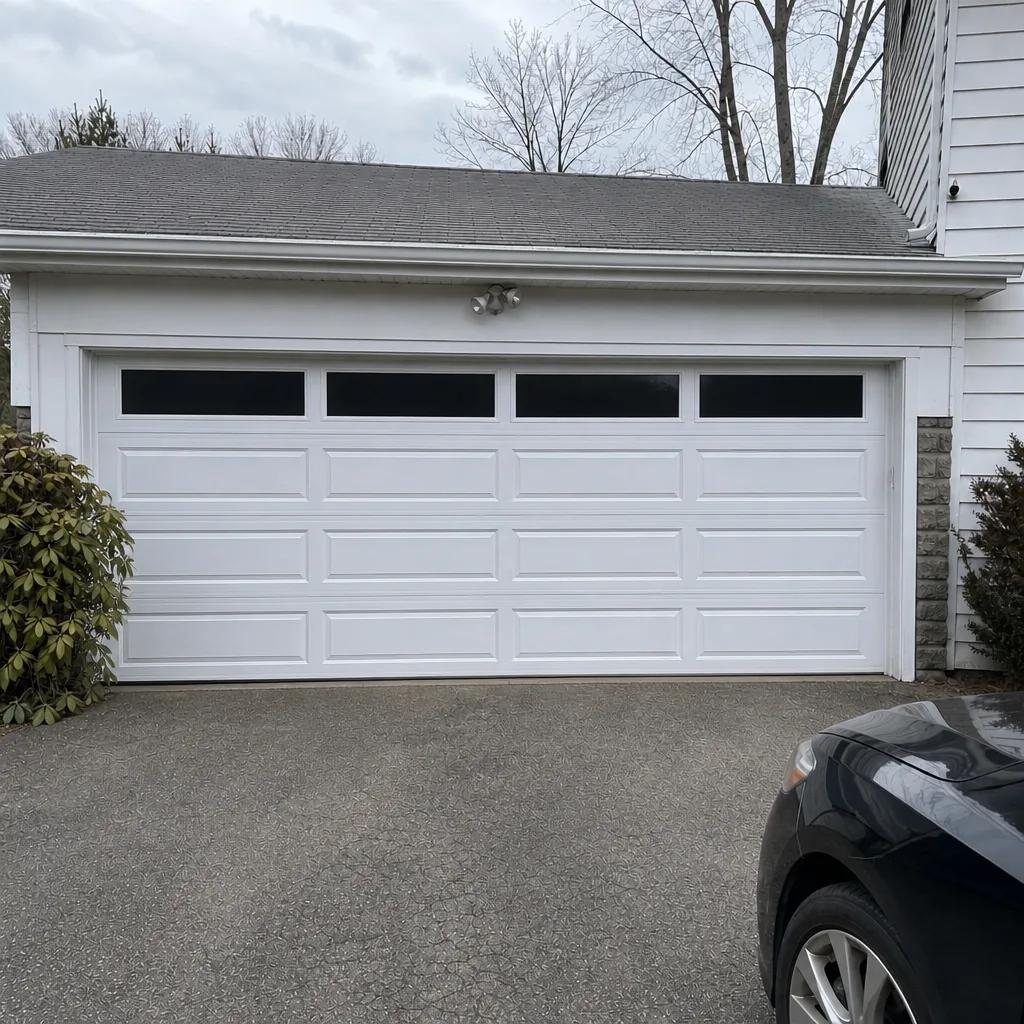
See the difference
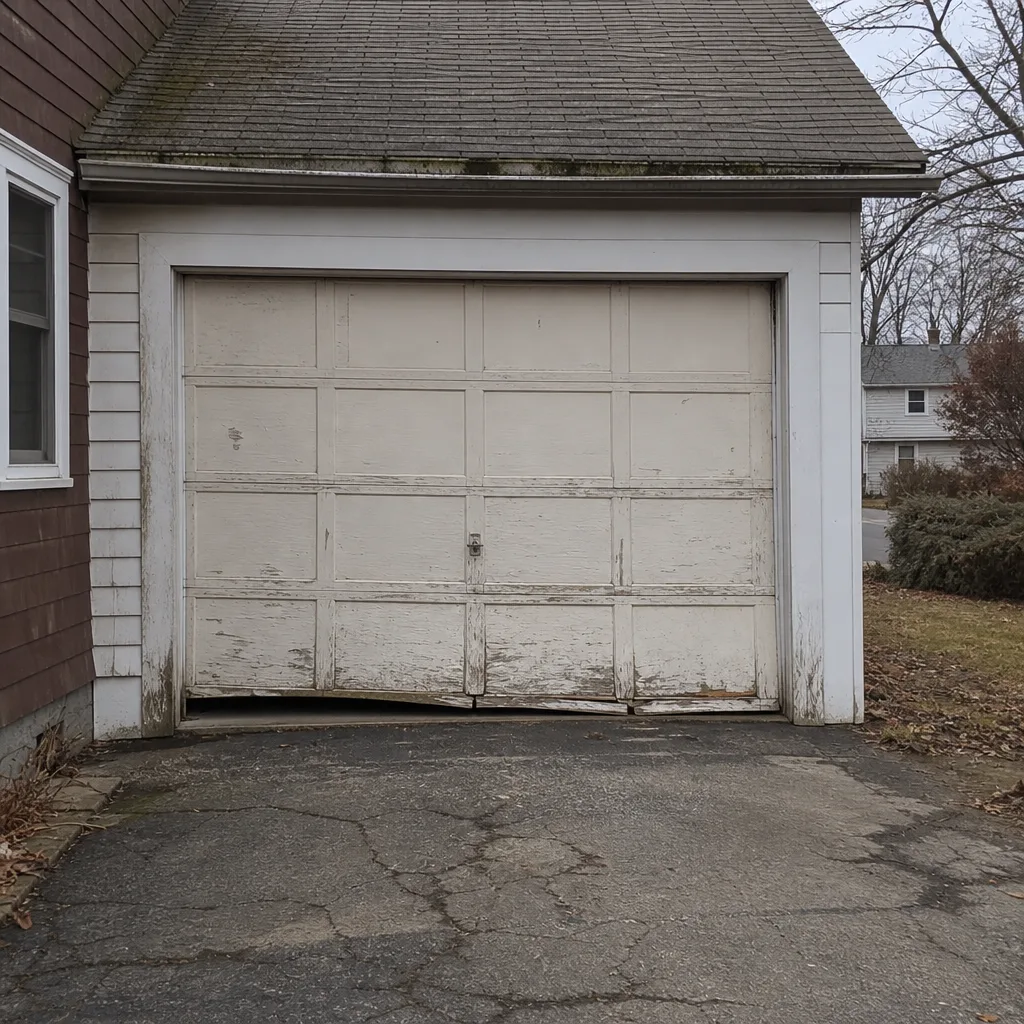 Before
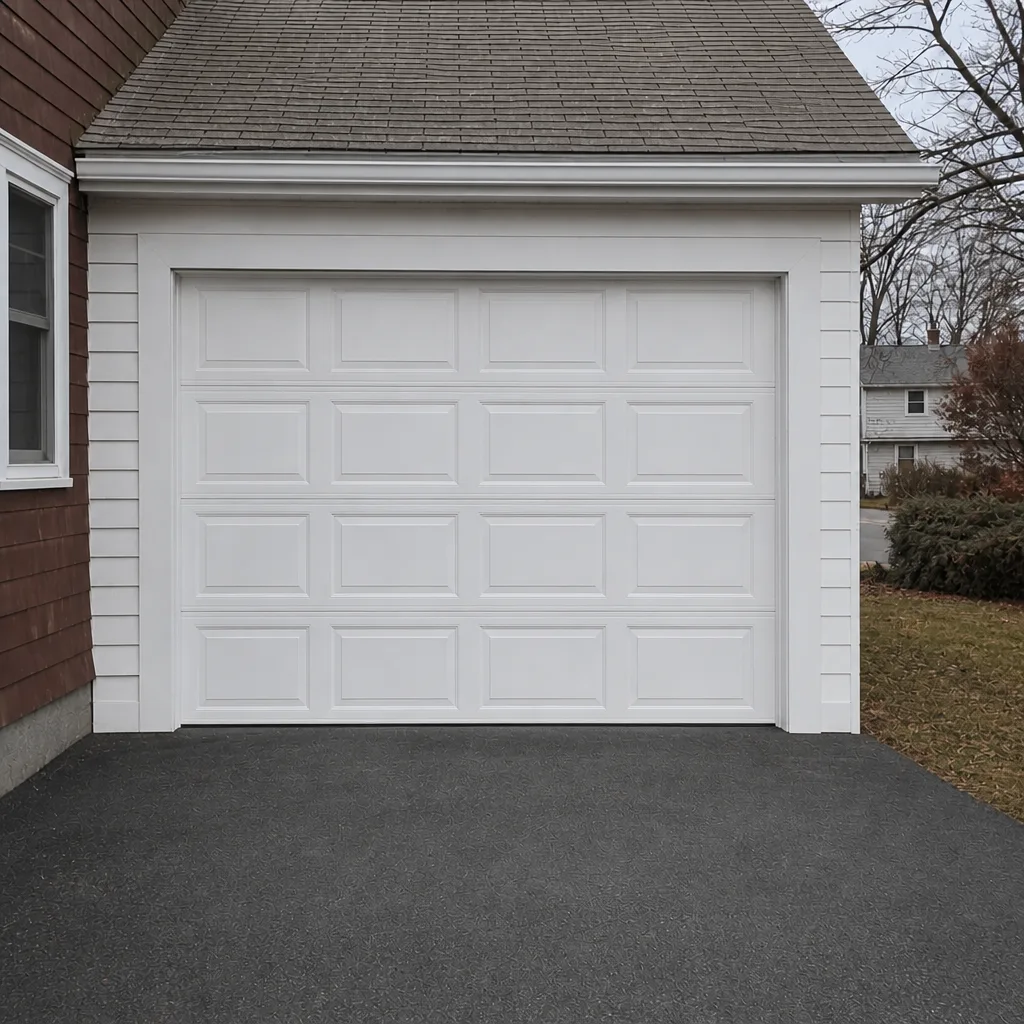 After
 Before
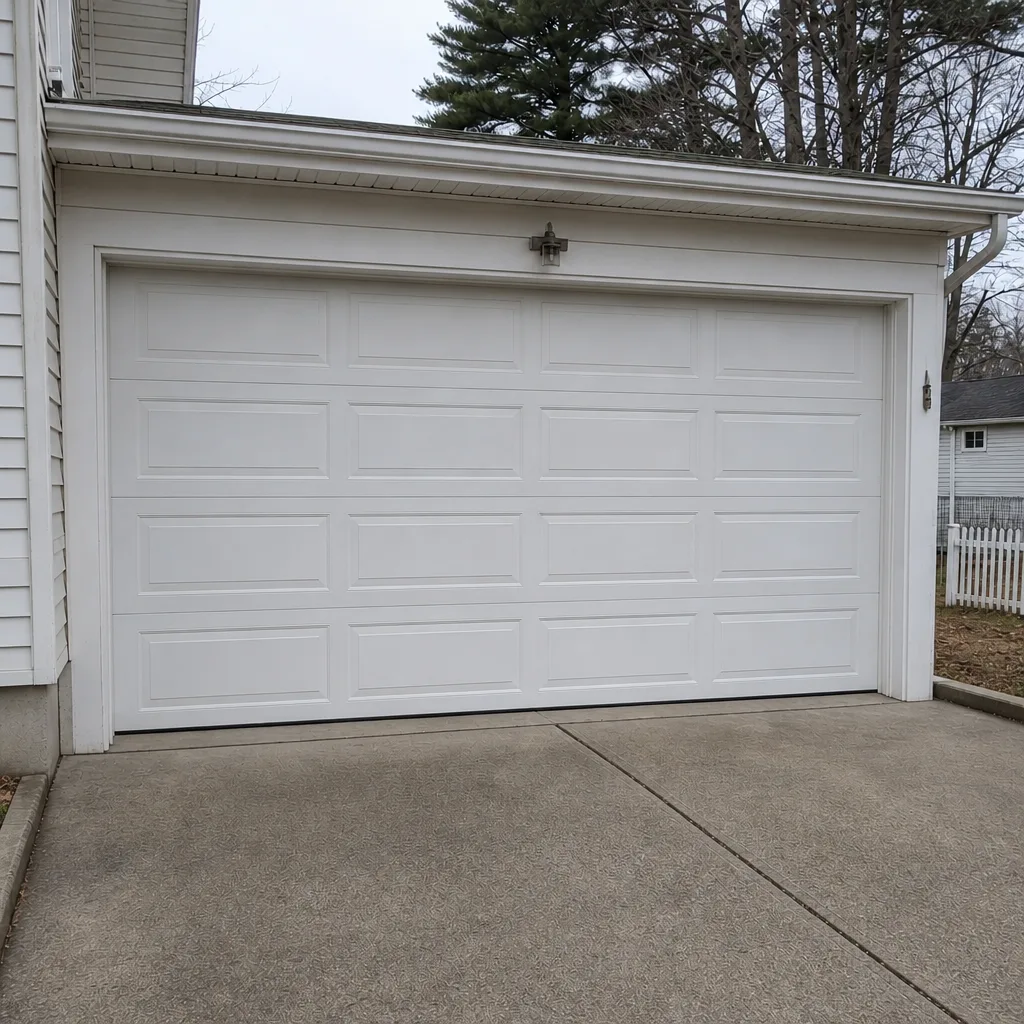 After
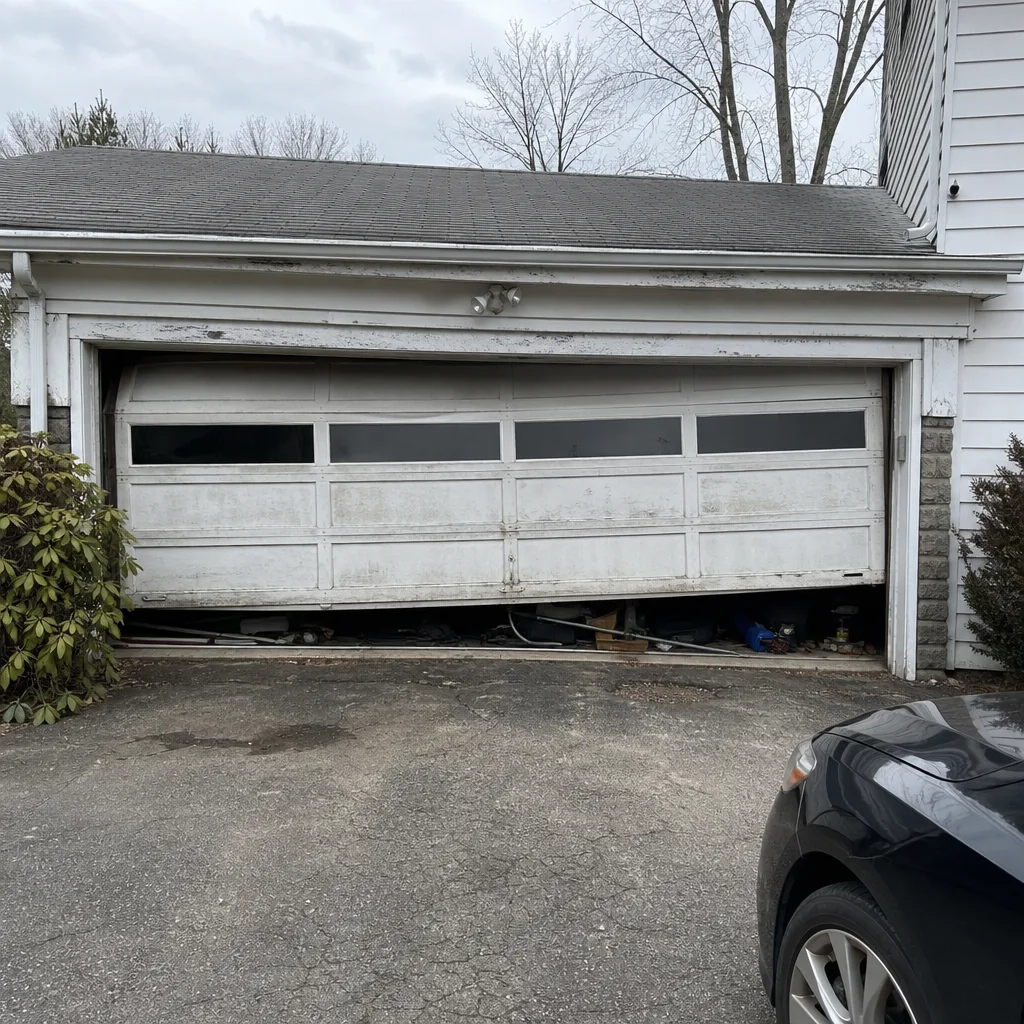 Before
 After
When to Call a Professional
Call a professional the moment a symptom touches the springs, cables, or opener housing, and any time the door fails the balance test or won’t reverse on the safety check. If the door has come off its tracks, stopped lifting entirely, or slammed down on its own, stop operating it now. Those are all situations where the repair is high-tension or high-voltage and the wrong move can cause serious injury.
You should also call if you simply aren’t sure what you’re looking at. A trained eye can often spot a failing spring, a rubbing track, or a weak opener from the sound and the balance test alone. Lawrence Garage Door Repair Pros offers free estimates in Lawrence, so a look costs nothing. Call (855) 761-3321, and we’ll quote the repair before anything is touched.
Frequently Asked Questions
Twice a year is the practical answer: once in late fall before the first hard freeze, and once in spring after the ground thaws. Lawrence’s freeze-thaw winters put extra stress on springs, cables, and the concrete slab that anchors your tracks, so the fall check catches cold-weather failures and the spring check catches what winter moved. Rolling a door by hand and listening to it also counts as a check, and it takes a minute.
You can safely lubricate the hinges, the roller bearings, and the track rail yourself using a silicone or white lithium spray, and you can lightly lubricate the torsion spring with a purpose-made spring lubricant. What you should not do is open the opener housing, adjust the springs, or touch the cables. Those need a trained technician. If your door squeals or grinds despite lubrication, call (855) 761-3321 – the problem is probably a worn roller or hinge, not a lack of oil.
A failing torsion spring usually shows uneven spacing, a visible gap between coils, rust or pitting on the coil, and a rhythmic pop or creak at the same point in each door cycle. The door also starts to lift hard for the first foot and ease up after. All of those are visual or sound signs you can notice without touching anything. Once you see a break, the door is not safe to operate.
The balance test matters because the opener is strong enough to mask a failing spring and a binding track, which means the door keeps working while the parts wear out faster. When the spring finally fails, the door can drop under its own weight instead of holding. A door that fails the balance test should be repaired, not run until the opener can’t lift it anymore.
Lubricating the hinges, rollers, and spring doesn’t void anything. Opening the opener housing, spraying product inside the unit, or splicing wires into it can void the warranty on a LiftMaster, Chamberlain, Genie, or Craftsman opener. The exterior friction points are yours to maintain; the interior is a technician’s territory. Call (855) 761-3321 if you’re unsure which side of that line a task falls on.
After the last frost, check the spring alignment for uneven gaps, look at the concrete where the vertical tracks anchor for signs of frost heave, re-run the balance test, re-lubricate the moving surfaces, and watch the door travel fully open and closed for new sounds. If your concrete slab has shifted and the door is rubbing on one side, the track is probably out of plumb and needs realignment before the wear gets worse. Our team can handle the realignment and quote it before any work begins.
The Bottom Line
Maintaining a garage door in Lawrence comes down to doing the right small things twice a year and knowing when to stop. Clean and dry tracks, the correct lubricant on the roller bearings and hinges, a clean balance test, a working safety reverse, and a visual check of the springs and cables before winter and after the thaw will keep a door running far longer than any annual spray-down. The parts that can hurt you – the torsion springs, the cables, the opener’s internals – stay in a technician’s hands. That’s not a limitation; it’s the whole reason a garage door is safe to own. Call (855) 761-3321 for a free estimate, and if something on this checklist has you worried, we’ll take a look and tell you exactly what’s going on before a single repair is scheduled.
Written by the team at Lawrence Garage Door Repair Pros.