Last updated November 20, 2026
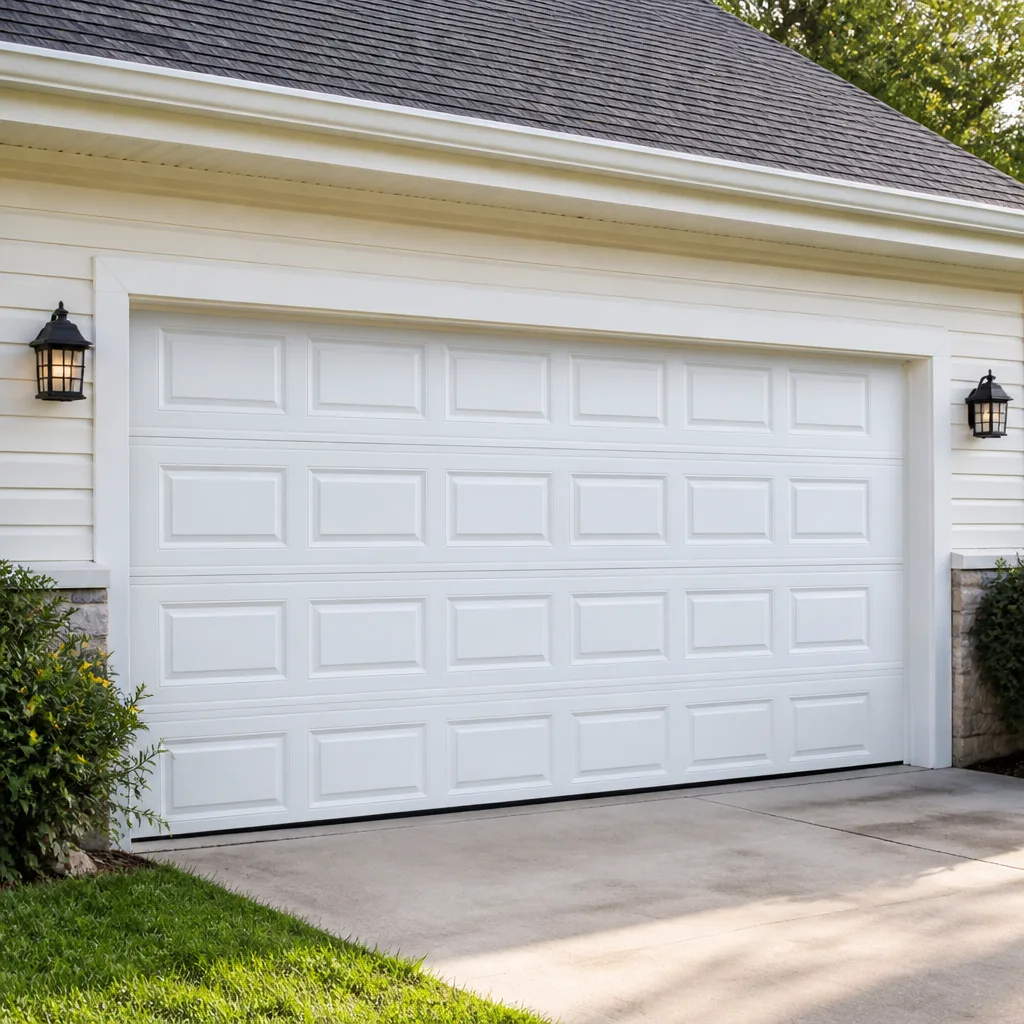 Raised-panel steel
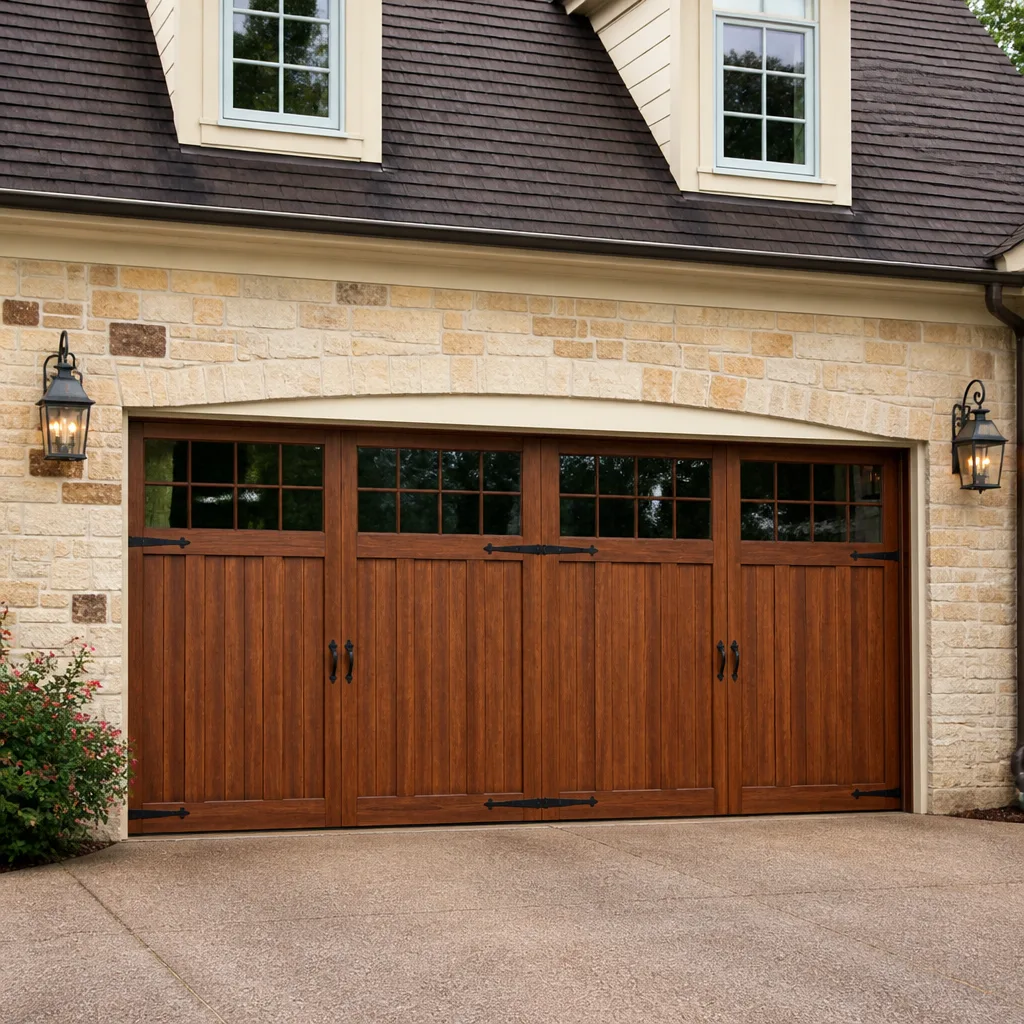 Carriage house
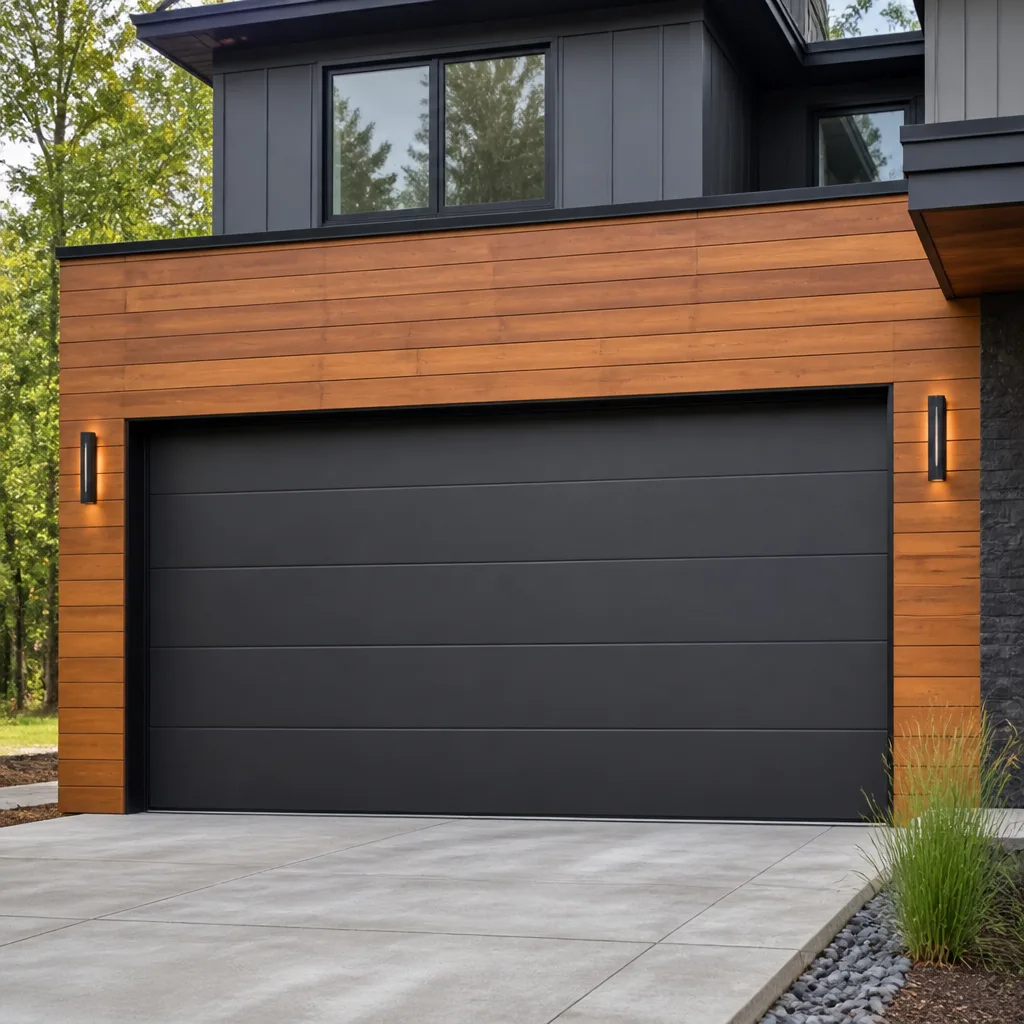 Modern flush
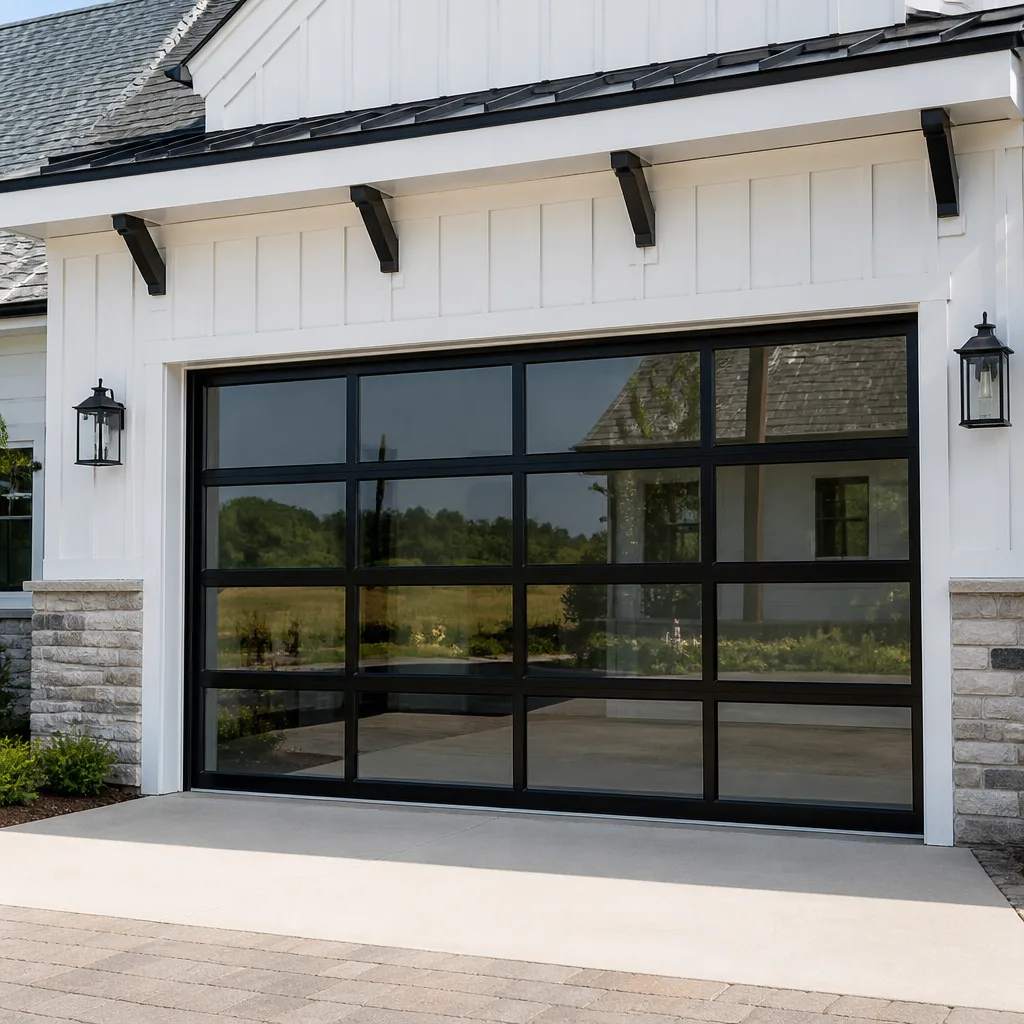 Full-view glass
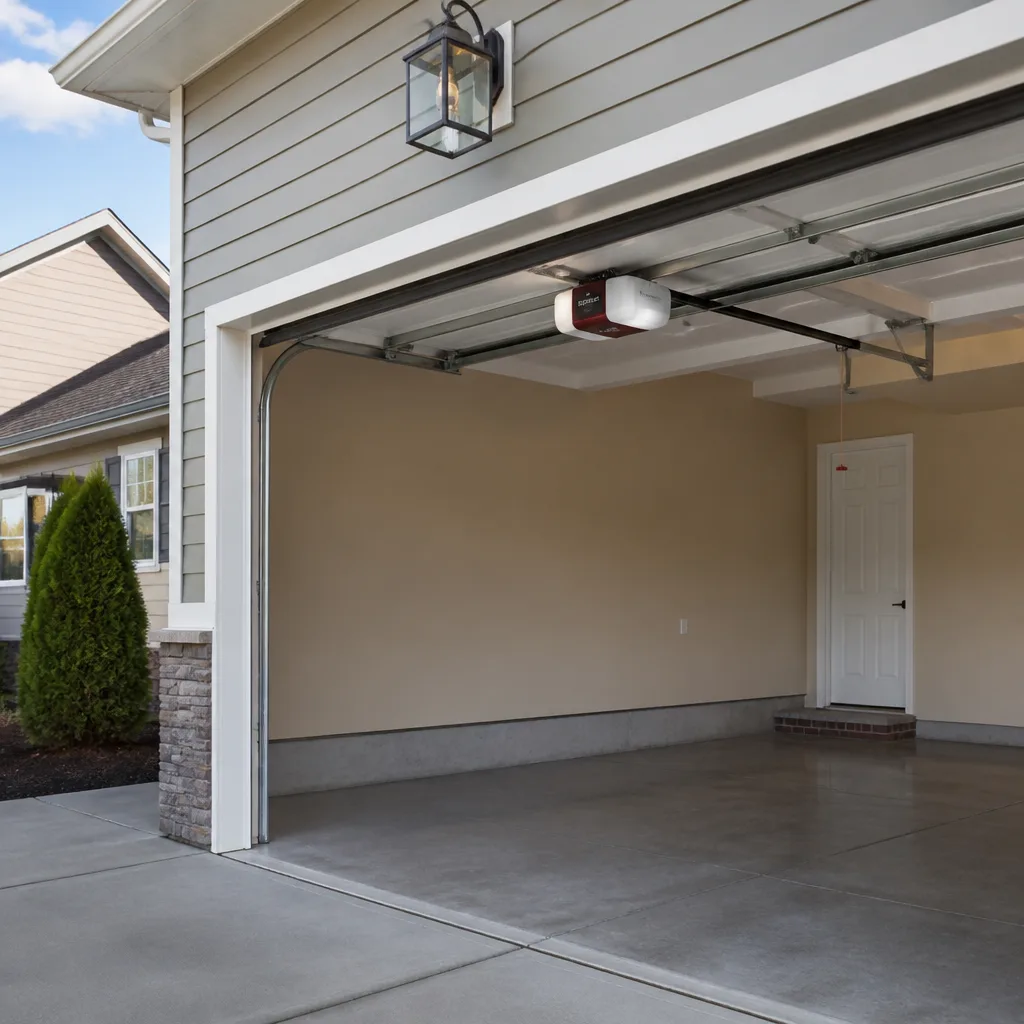 LiftMaster openers
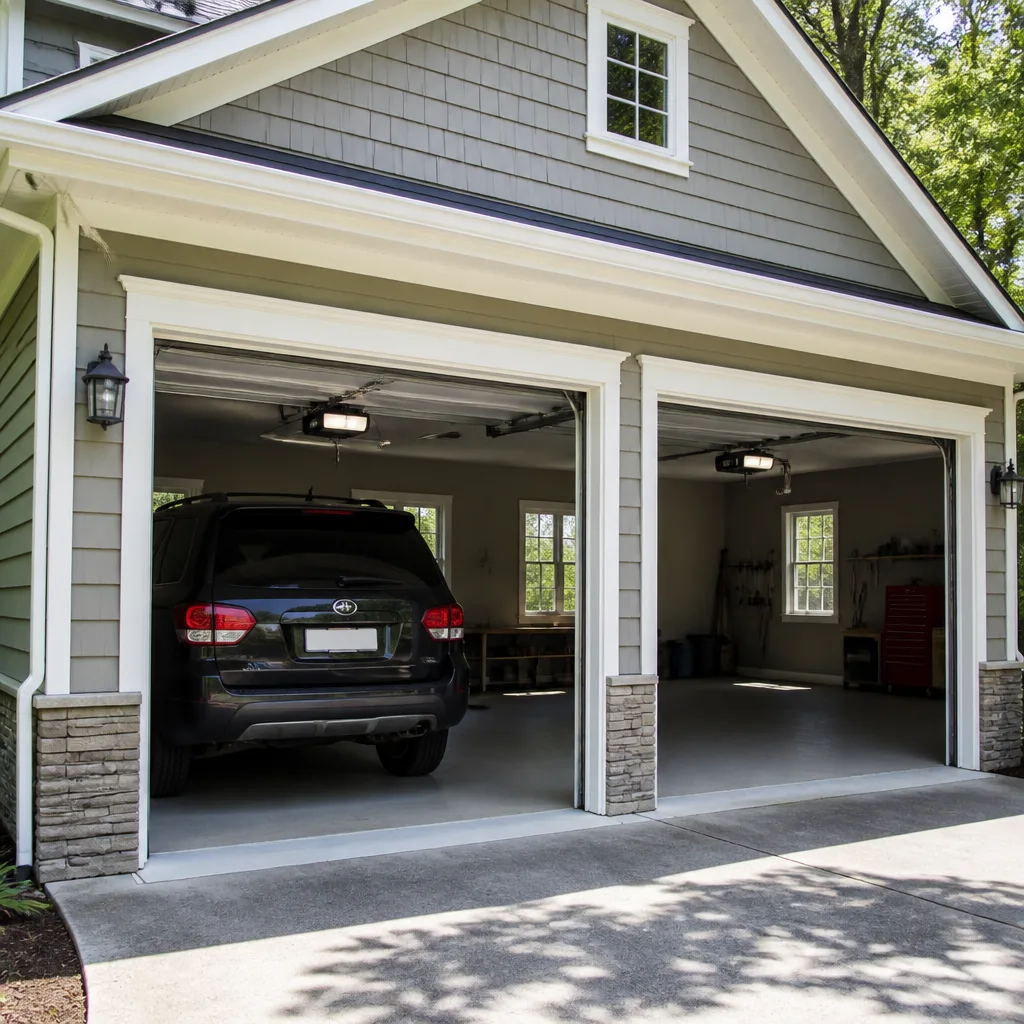 Chamberlain openers
Full 25-point door and opener safety check with every visit - springs, cables, rollers, tracks, and your LiftMaster or Chamberlain opener included
You get a price before we start. It does not change when the pro arrives.
Get your free estimateThe Complete Guide to Garage Doors in Lawrence
Most garage door guides are written for a suburban ranch in Ohio. Lawrence homeowners deal with frost heave, tight urban driveways, and doors attached to buildings that predate modern framing standards, none of which shows up in the generic advice. This city’s dense triple-deckers, older single-families, and converted mill housing produce garage door problems that national articles skip right past. If your door is dragging, your spring snapped, or your opener quit, the standard checklist may not apply to your building. This guide covers how Lawrence’s housing stock and climate actually affect garage doors, which repairs are realistic to do yourself and which ones are categorically not, and how to judge whether a fix is worth doing on a door that has been hanging on the same old jamb for a very long time.
Quick Answer
Garage doors in Lawrence fail most often at three points: the spring system, the bottom seal and alignment, and the opener’s logic board or travel limits. Freeze-thaw cycles here work those three harder than a milder climate would, and older framing means an off-square door is a real possibility rather than a rare one. Spring and cable work is dangerous and belongs to a trained technician; adjustments, seal replacement, and opener resets are often within reach for a careful homeowner. When in doubt, a diagnostic visit costs you a free estimate, not a commitment.
Styles & brands we work with
- Raised-panel steel
- Carriage house
- Modern flush
- Full-view glass
- LiftMaster openers
- Chamberlain openers
Table of Contents
- How Lawrence’s Freeze-Thaw Cycles Affect Your Door
- Common Garage Door Types in Lawrence’s Older Housing Stock
- What Garage Door Repair Actually Means as a Scope of Work
- DIY-Feasible Repairs vs. Repairs That Are Categorically Not
- How to Tell If Your Door Frame Is Still Square
- Why Springs Are the Highest-Stakes Repair in the System
- Opener Repair Across Old and Smart Platforms
- What Repairs Typically Cost in Lawrence
How Lawrence’s Freeze-Thaw Cycles Affect Your Door
Lawrence sits in a freeze-thaw climate, and that single fact explains a large share of the alignment and seal problems homeowners call us about. Water works into cracks, the gaps around the bottom seal, and the soil under the driveway apron, then freezes and expands. When it thaws, the ground settles differently than it did before. Repeat that cycle across a winter and the concrete at the garage opening can heave slightly, tilt, or drop. A door that tracked cleanly in October starts rubbing the frame or leaving a gap at one corner by February.
The bottom seal takes the worst of it. Rubber and vinyl seals harden in cold, then get compressed and torn as they drag across uneven concrete. Once the seal loses its contact, cold air, snowmelt, and road grit get under the door and into the framing. You’ll notice the symptom as a draft, a light gap, or water on the garage floor after a storm.
What this means for Lawrence doors specifically:
- Alignment drifts seasonally. A door that squeaks or binds in January may run fine in June. That doesn’t mean the problem fixed itself; the frame is moving with the ground.
- Bottom seals wear faster than in drier, steadier climates because they’re working against moving concrete and ice.
- Tracks go out of plumb when frost shifts the slab the jamb sits on, which puts sideways stress on rollers and hinges.
- Lubrication matters more. Cold stiffens grease and metal contracts. Rollers, hinges, and the torsion bar all need lubrication before the first hard freeze.
For a one-off alignment or seal issue, our garage door repair team can diagnose whether you’re looking at a seasonal nuisance or a track-and-jamb problem that needs realignment. Either way, catching it early is cheaper than letting a dragging door grind the hardware down.
Common Garage Door Types in Lawrence’s Older Housing Stock
Lawrence’s housing is genuinely varied, and that variety is why generic garage door advice falls short. A door hung on a converted triple-decker doesn’t use the same hardware as a door on a mid-century single-family, and neither matches what a newer construction guide assumes. Here are the configurations we see most often and what each one asks of a repair.
- Single-car wood and wood-composite doors on older single-families. These are heavy. They often rely on extension springs mounted above the tracks rather than a torsion system. The extra weight means the springs are under more load and the hinges and rollers wear faster.
- Narrow doors on tight urban lots. Lawrence’s dense streets and short driveways mean lots of single-wide doors where a double would fit elsewhere. Narrow doors leave less margin for error on alignment and put more stress on the opener’s travel limits.
- Doors retrofitted onto converted mill and multi-unit housing. These are the wild cards. The opening may have been cut into a wall that was never designed for a garage door, so the header and jamb may not carry the load a purpose-built frame would. Hardware choices here need to match what’s actually there, not what a catalog assumes.
- Steel raised-panel doors on newer builds and renovations. Lighter and more standardized, these are the most predictable to repair.
The practical point: before buying any replacement hardware, know what your door is made of, how it’s balanced (torsion or extension springs), and how much it weighs. A spring rated for a light steel door won’t safely balance a heavy wood one. If you’re not sure of the configuration, that’s exactly the kind of question a technician answers in minutes on a diagnostic visit.
What Garage Door Repair Actually Means as a Scope of Work
“Garage door repair” gets used loosely, and that vagueness is where homeowners get surprised. When you call a repair specialist, the work falls into three distinct scopes, and knowing which one you’re in shapes both the price and the timeline.
- Adjustment. Nothing is broken; something is out of position. Tracks get realigned, travel limits get reset, the door gets rebalanced, hinges get tightened. This is the cheapest and fastest category, and it’s the one most likely to resolve a door that rubs, binds, or stops short.
- Part replacement. A specific component has failed: a spring, a cable, a roller, a hinge, a logic board, a drive belt. The fix is swapping the failed part, then rebalancing and testing the whole system. Most spring, opener, and hardware calls land here.
- Full system overhaul. Multiple components have reached the end together, or the structure itself (track, jamb, header) can no longer support the door safely. This is the only category where replacement becomes the honest recommendation, and it should be justified by the condition, not sold by default.
We lead with repair because that’s the right call most of the time. A single failed spring on an otherwise sound door is a spring job, not a new-door conversation. A blown logic board on a LiftMaster opener is a board replacement, not a reason to replace the whole unit. The garage door opener repair and garage door spring repair pages dig into the specifics of each. The scope conversation matters in Lawrence especially, because older housing means more doors where a small adjustment is all that’s standing between you and a working door.
DIY-Feasible Repairs vs. Repairs That Are Categorically Not
Some garage door work is within reach for a careful homeowner. Some of it will hurt you. The line between the two isn’t fuzzy, so here it is without hedging.
Repairs a careful homeowner can usually handle
- Lubricating rollers, hinges, and the torsion bar. A proper garage door lubricant, applied to the moving metal points, quiets the door and slows wear. Do it before the first freeze.
- Replacing the bottom seal or weatherstripping if the track and door are otherwise sound. It’s a trim-and-slide job, not a tension job.
- Resetting the opener. If the opener lost its travel limits or its remote pairing after a power cut, the manual walks you through re-teaching it. Genie and Chamberlain units in particular have straightforward reset routines.
- Tightening visible hinge and bracket bolts that have worked loose, as long as you’re not touching anything under spring tension.
- Clearing an obstruction that tripped the safety sensors, and realigning the photo-eye brackets so they face each other again.
Repairs that are categorically not DIY
- Torsion spring replacement. The torsion spring holds the entire weight of the door under extreme tension. Without the correct winding bars and the training to use them, releasing that tension can cause severe injury. This is not a “be careful” task; it’s a trained-hands task.
- Extension spring replacement. Same story. These springs store the door’s weight and can fail violently if handled without the right tools and technique.
- Cable work. The cables run under spring tension and are what actually lift the door. A cable that slips or snaps under load is dangerous.
- Track and jamb realignment when the structure is out of square. Forcing a door back into a bent track can drop it. This is a structural question, not a bolt-tightening one.
- Anything involving opener wiring at the panel. Mains voltage is a line we don’t advise crossing.
If your symptom is a snap, a bang, a door that won’t lift, or a cable hanging slack, stop operating the door and call a professional. Our technicians have up to 10 years of experience with exactly these repairs, and a diagnostic visit confirms what’s wrong before anyone touches it.
How to Tell If Your Door Frame Is Still Square
This is the check most homeowners skip, and on Lawrence’s older housing it’s the one that saves money. If the frame isn’t square, new hardware won’t fix the symptom. You’ll install a fresh spring or roller and the door will still bind, because the opening itself is fighting it. Here’s how to assess it before you buy anything.
- Open the door fully and look down each track. Sight along the inside edge from floor to header. A plumb track runs straight; a leaning one will visibly bow or kick away at the top.
- Measure the opening diagonally. Measure corner to corner, top-left to bottom-right, then top-right to bottom-left. On a square opening the two measurements match closely. A meaningful difference tells you the opening is racked.
- Check the gaps at the bottom seal. A door that sits flush on one side and leaves a gap on the other, without any visible track damage, points to an out-of-square opening.
- Look at the header and jamb for movement. Cracks in the drywall around the opening, a header that sags, or a jamb that’s pulled away from the wall all suggest the structure has shifted, not just the door.
- Watch the door travel. If it binds at the same point every cycle, or the rollers pull in one direction, the frame is a likely culprit rather than a worn part.
If any of those checks come back off, don’t buy replacement hardware yet. A frame that’s out of square on an older Lawrence building needs a structural judgment first, and a technician can tell you whether realigning the track is enough or whether the opening itself needs attention. This is where the older housing stock really changes the equation: on newer construction, an off-square opening is unusual; on converted and older buildings, it’s common enough to check every time.
Why Springs Are the Highest-Stakes Repair in the System
The spring is the most dangerous part of any garage door, and it’s the part that fails most often. It carries the door’s entire weight, which means it’s under constant, heavy tension even when the door is closed. When a torsion or extension spring breaks, it releases that stored energy all at once. That’s why you never see spring replacement framed as a weekend project by anyone who actually works on doors.
What you should know before you call:
- Two springs are usually a matched pair. If one breaks, the other is likely at the same point in its life and is usually replaced at the same time. A price quoted for one spring describes one spring, not the pair.
- A door with a broken spring is unsafe to operate. Never force an opener to lift a door whose spring has failed. The opener isn’t designed to carry the door’s full weight and will strain or strip its drive system.
- Age matters, not just the break. Springs have a cycle life. A door that runs several times a day wears its springs faster than a door used once. If your spring snapped, ask how long the replacement should last for your usage.
- Replacement requires rebalancing. A new spring is rated for a specific door weight. Installing one and then testing the door is part of the job, not an afterthought.
This is where specialized spring work pays off. Our garage door spring repair service handles both torsion and extension systems, including the matched-pair replacement most doors need. Our technicians have up to 10 years of experience with this specific repair, and the price is quoted and agreed before any work begins, so you know the number before the winding bars come out.
Opener Repair Across Old and Smart Platforms
Openers fail in patterns, and the pattern tells you whether it’s a repair or a reset. The most common symptoms are the door reversing without warning, the opener running but the door not moving, remotes losing their pairing, or the motor straining on the way up. In Lawrence’s older housing, a door that’s slightly out of alignment also makes the opener work harder, so the two problems often travel together.
Here’s how the major platforms tend to show up:
- LiftMaster and Chamberlain. These share a lot of internal design. A common failure is the safety-sensor alignment or the travel limit drifting after a power event. Re-teaching the limits often restores normal operation.
- Genie. Often found on older doors. Drive belt and screw-drive units both show wear at the carriage; a belt that’s stretched or frayed is a straightforward replacement.
- Older Craftsman and legacy units. Capacitors, logic boards, and gear assemblies on aging units are frequent culprits. A board replacement is usually the honest fix rather than a full unit swap.
- Smart and app-connected openers. When the app stops responding but the wall button still works, the fault is often a network pairing issue, not the motor. When both fail, it’s usually the board or the wiring.
Because we work on the opener you already have, the choice between repair and replacement is based on condition, not brand. We service LiftMaster, Chamberlain, Genie, and Craftsman units across the older and newer generations, and we’ll tell you when a repair is the better call. A diagnostic visit confirms the cause before anything is ordered.
What Repairs Typically Cost in Lawrence
Garage door repair prices are estimates until a technician sees the door, and that’s the honest way to present them. But you deserve a range before you call so you can plan. Here are typical estimated ranges for the most common repairs. The written estimate you receive sets the final price, and it’s quoted and agreed before any work starts.
- Spring replacement (one torsion spring): roughly $180 to $340 for the spring, labor, and rebalancing. A matched pair is usually replaced together and costs about twice that.
- Extension spring replacement: similar range per spring, with the pair costing about double.
- Opener repair (board, belt, travel limit, or sensor): roughly $120 to $300 depending on the part.
- Track and roller realignment: roughly $100 to $225.
- Bottom seal or weatherstripping replacement: roughly $90 to $200, depending on door width.
- Cable replacement: roughly $150 to $300, typically done as a pair.
The range reflects what’s actually there: a heavy wood door on an older single-family costs more to rebalance than a light steel door on a newer build. A door whose frame is out of square may need realignment before a spring replacement will hold. That’s why the estimate follows the inspection.
If you’d rather get the number first, our Lawrence Garage Door Repair Pros team offers free estimates in Lawrence. Call (855) 761-3321 and we’ll talk through the symptom, then book a diagnostic visit that ends with a written price.
Common Mistakes to Avoid
- Buying hardware before checking whether the frame is square. If the opening is racked, a new spring or roller won’t cure the binding. Measure the diagonals first and sight the tracks, or you’ll spend money on parts that don’t solve the symptom.
- Forcing the opener to lift a door with a broken spring. This is how openers get destroyed and doors get dropped. If the spring snapped, stop using the door entirely until it’s repaired.
- Replacing one spring when the pair is due. Springs wear together. Swapping one on a door with a matched pair usually means the other fails soon after, and you pay for the visit twice.
- Skipping lubrication before the first freeze. In a freeze-thaw climate, dry rollers and hinges stiffen and grind. A few minutes of proper lubrication in the fall saves wear through the winter.
- Assuming a small light gap is cosmetic. A bottom seal that’s lost contact lets in water and cold, which works on the framing and the slab. What starts as a draft can become a track problem.
- Letting a generalist guess at brand-specific opener faults. A LiftMaster board fault and a Genie belt fault aren’t the same job. A garage door specialist diagnoses the actual platform rather than swapping parts by trial.
- Agreeing to a door replacement when a repair is the real fix. On an otherwise sound door, a spring, a board, or an alignment is the honest job. Be wary of any visit that jumps straight to replacement without a diagnosis.
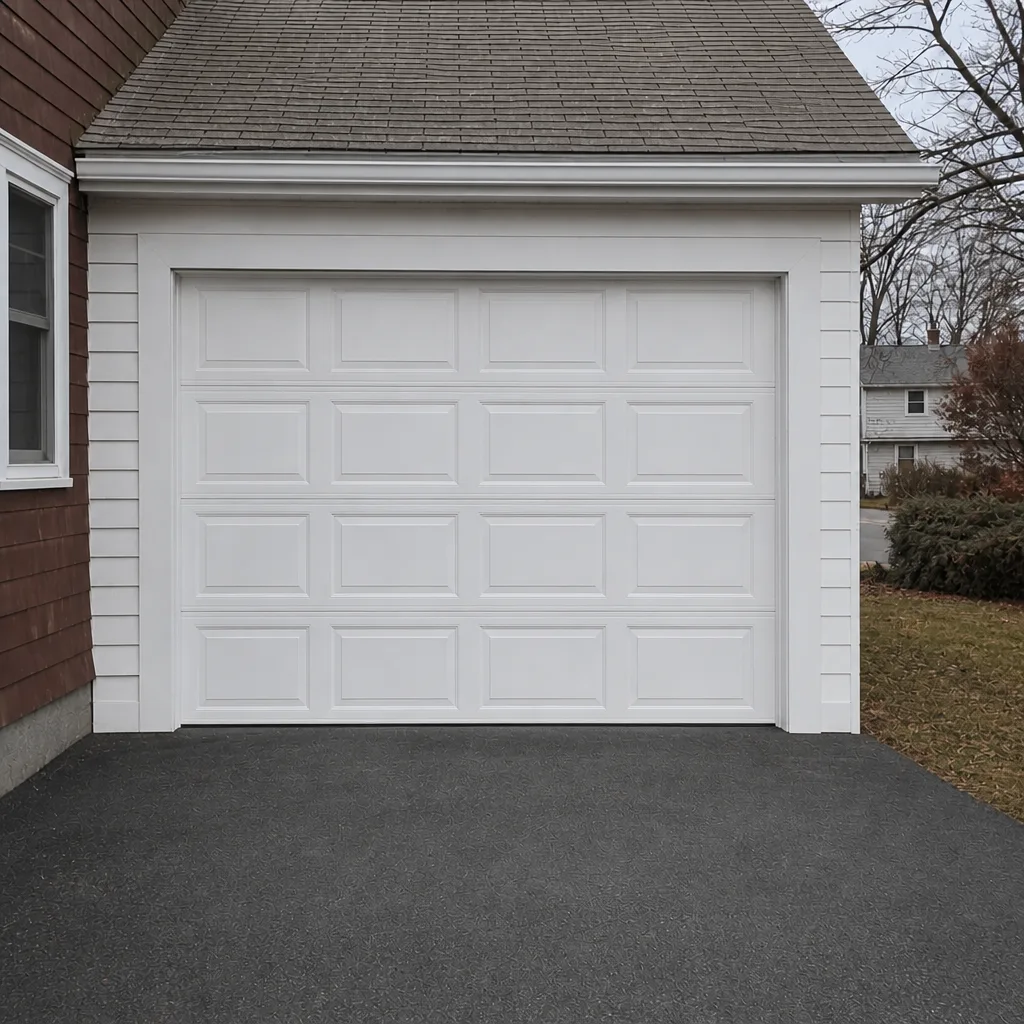
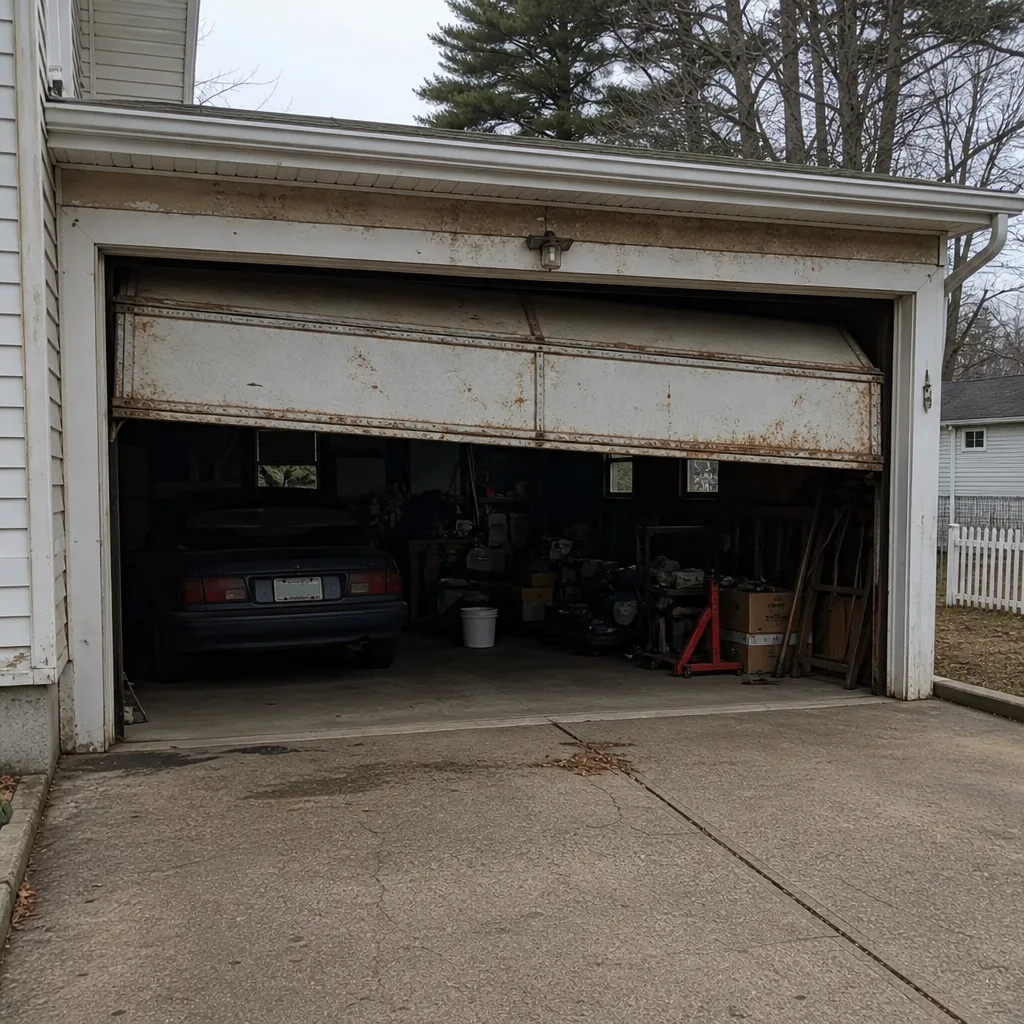
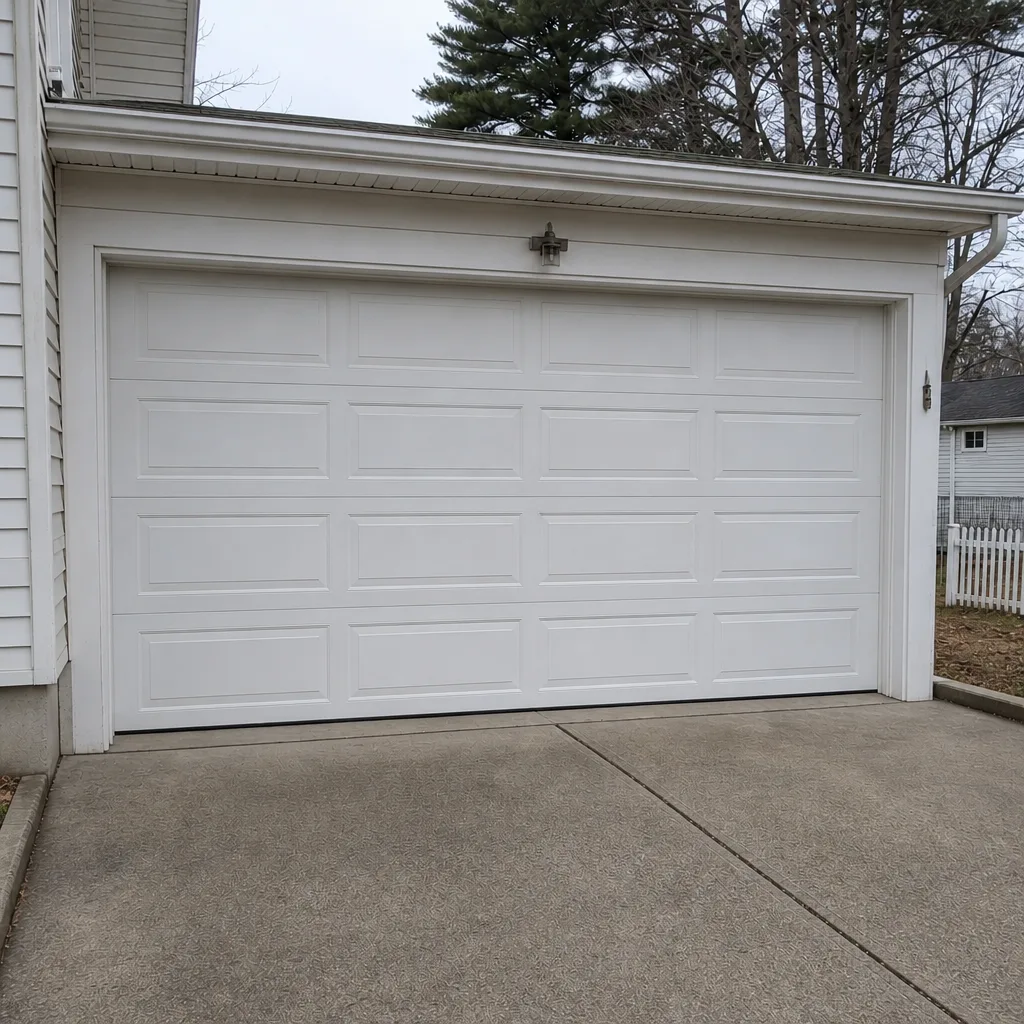
See the difference
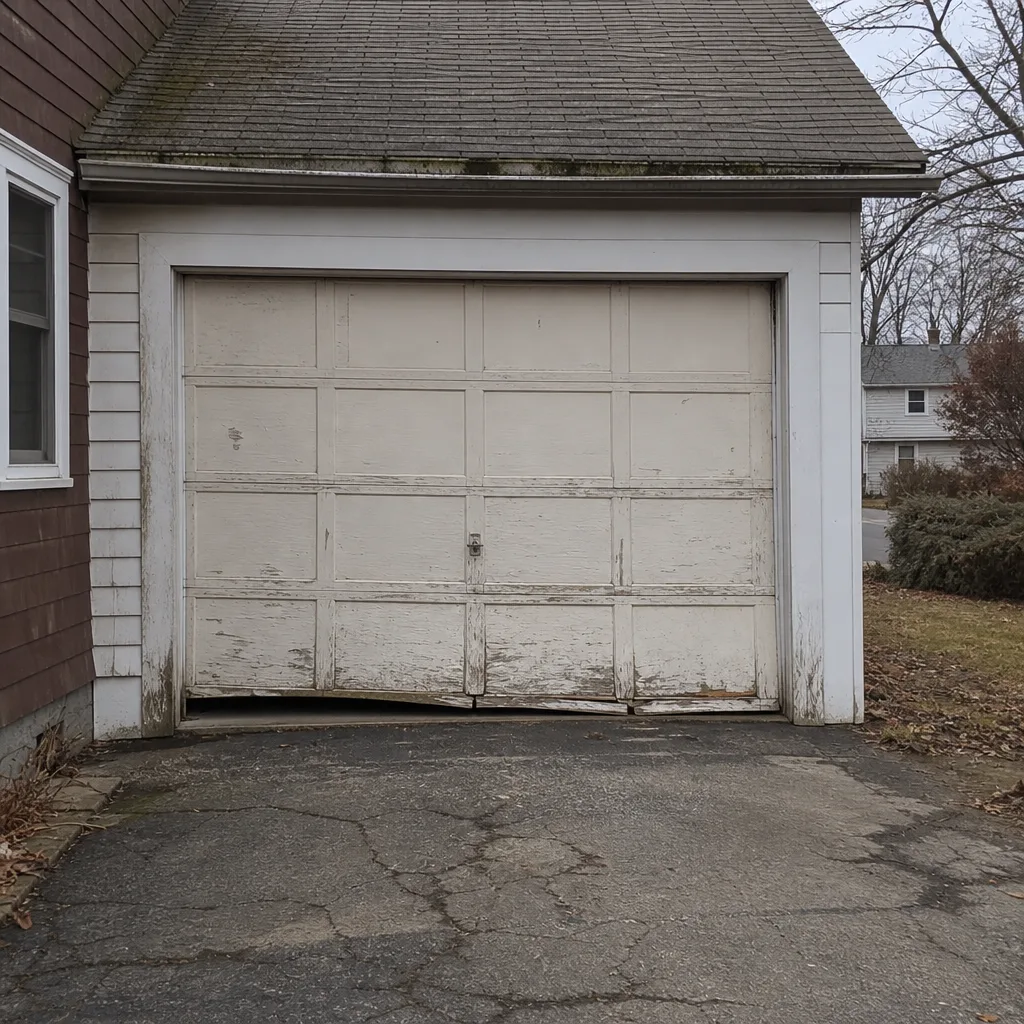 Before
 After
 Before
 After
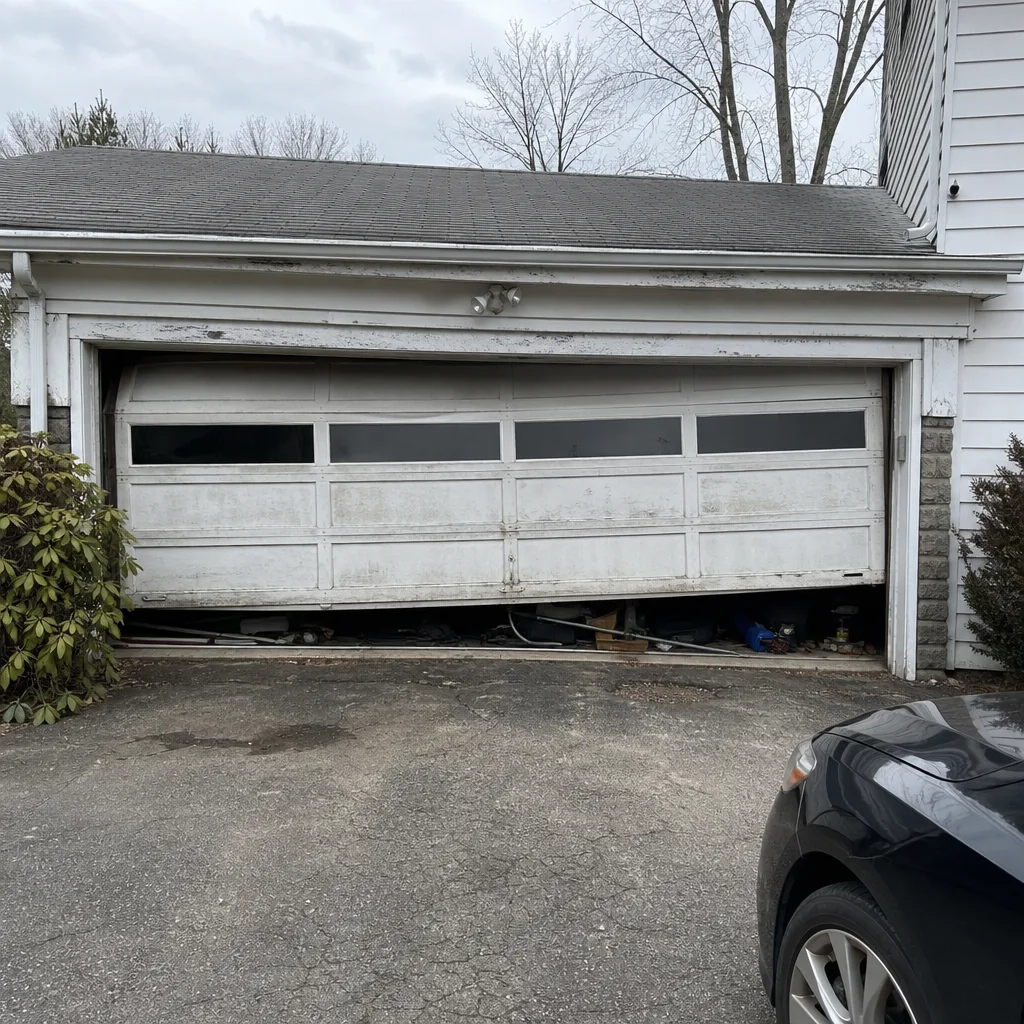 Before
 After
When to Call a Professional
Call a professional the moment you notice a spring that’s snapped, a cable hanging slack, a door that won’t lift, or a track that’s visibly bent. Those are structural and high-tension failures, and operating the door makes them worse. Also call if your door binds at the same point every cycle, if the opener reverses unpredictably, if the bottom seal leaves a gap after the door closes, or if you’ve measured the opening and it’s out of square. On an older Lawrence building, an off-square frame is worth a diagnosis before you buy any hardware. For property managers juggling several systems in a multi-unit building, a single diagnostic visit across the doors saves a lot of guesswork.
Lawrence Garage Door Repair Pros offers free estimates in Lawrence. Call (855) 761-3321. The price is quoted and agreed before any work starts, so you know the number before we begin.
Frequently Asked Questions
Spring repair in Lawrence typically runs about $180 to $340 for one torsion spring, including labor and rebalancing. A matched pair is usually replaced together and costs about twice that. Call (855) 761-3321 for an exact quote, and the estimate is free.
No. A torsion or extension spring holds the entire weight of the door under extreme tension, and releasing it without the proper tools and training can cause severe injury. This is a trained-hands repair, not a DIY one. Call (855) 761-3321 for an exact quote.
Freeze-thaw cycles shift the ground and the concrete under your garage opening, and cold hardens the bottom seal and stiffens the hardware. That combination causes doors to bind, drag, or leave gaps in winter that they didn’t leave in fall. It’s a climate effect, not a mystery.
No, once the written estimate is agreed, that’s the price. A range is only an estimate until a technician inspects the door, and then the quote you receive is the one you pay. Call (855) 761-3321 for a free estimate.
Usually a repair. The most common causes are a stretched or broken drive belt, a failed logic board, or travel limits that have drifted out of position. A diagnostic visit confirms which one before anything is ordered. Call (855) 761-3321 for an exact quote.
Yes. We work on LiftMaster, Chamberlain, Genie, Craftsman, and other common residential platforms, including older mechanical units and newer app-connected openers. The diagnosis is based on the platform you have, not a preferred brand. Call (855) 761-3321 to talk through the symptom.
The Bottom Line
Garage door problems in Lawrence have local causes: freeze-thaw cycles that move the ground under your door, older housing stock that may not be square, and tight driveways that leave little margin. Diagnose before you buy hardware, check whether the frame is plumb before you blame a part, and never touch a spring or cable yourself. Repair is the right call most of the time, and a specialist who works on your brand will tell you when a targeted fix beats a replacement. Get the estimate first, agree the price, then do the work.
Call Lawrence Garage Door Repair Pros at (855) 761-3321 for a free estimate. The price is quoted and agreed before any work starts.
Written by the team at Lawrence Garage Door Repair Pros.