Last updated November 20, 2026
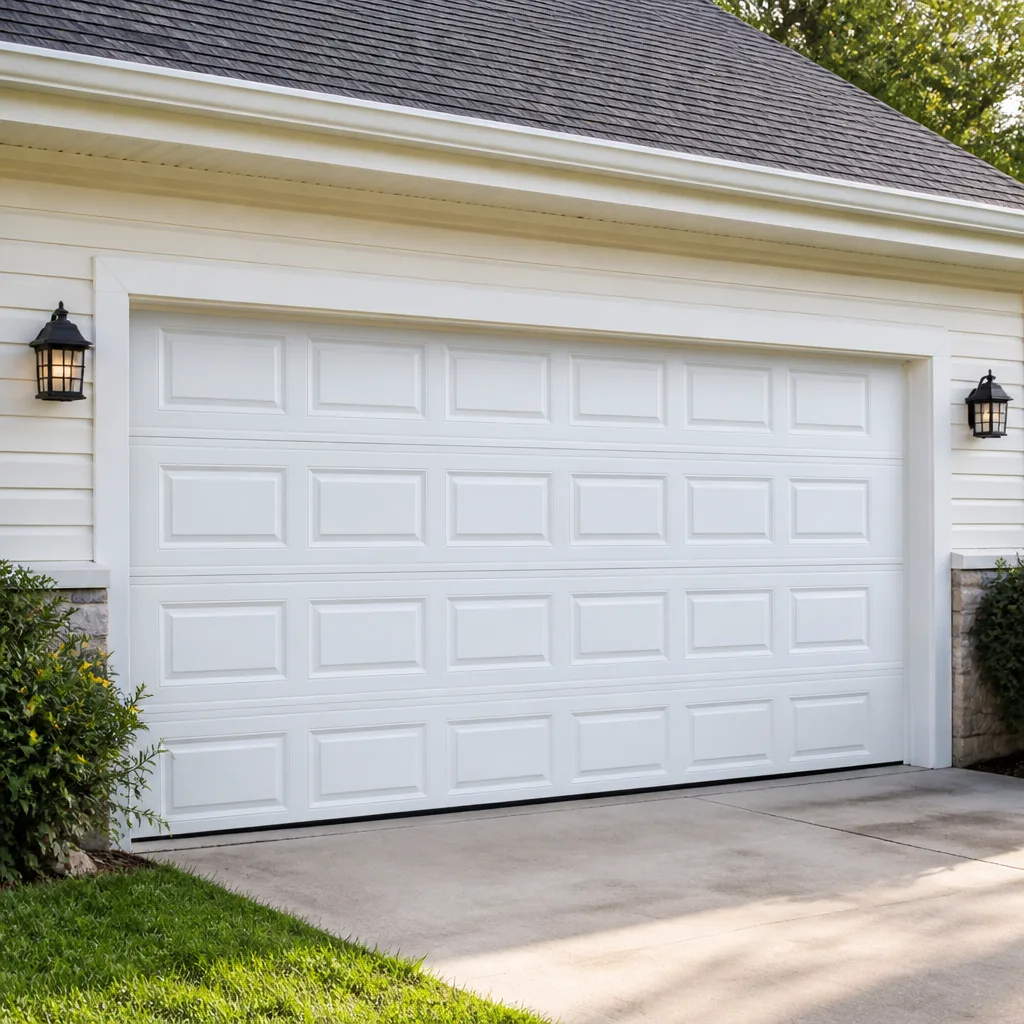 Raised-panel steel
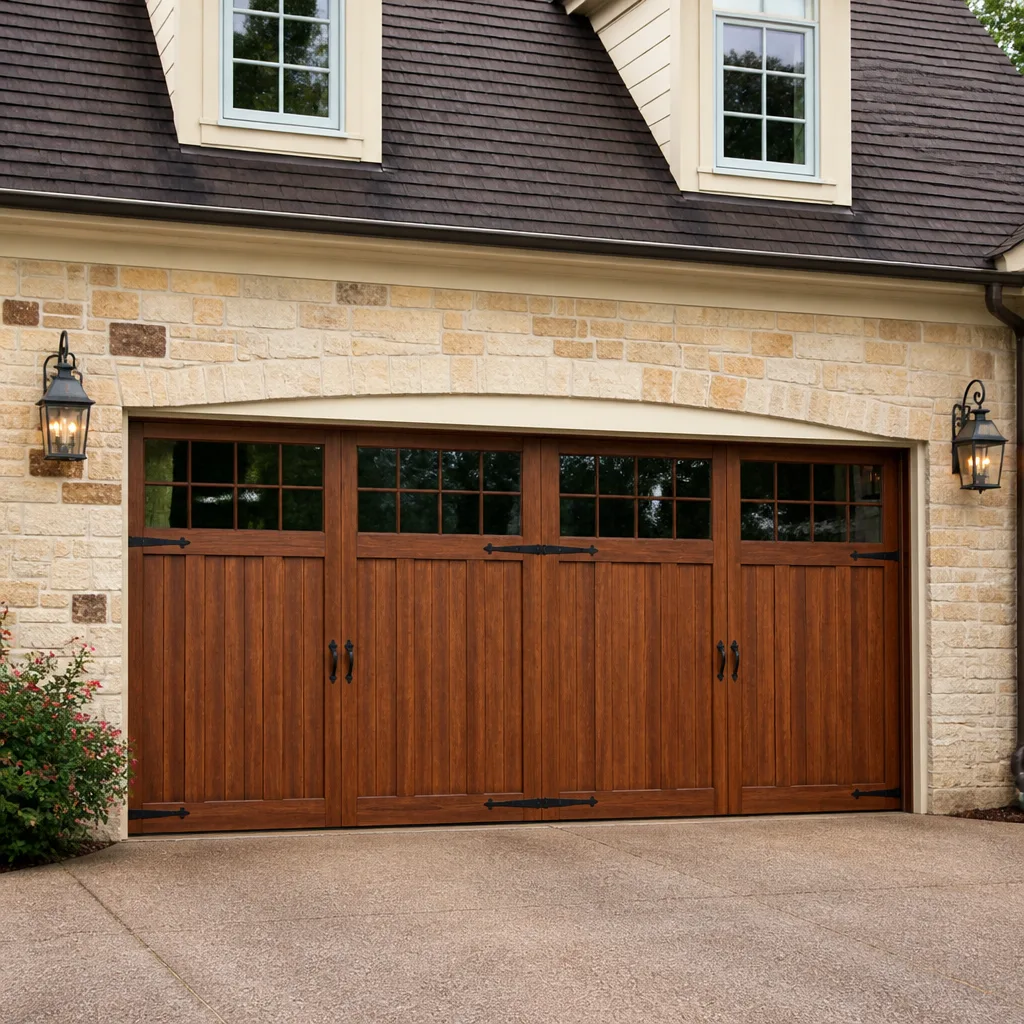 Carriage house
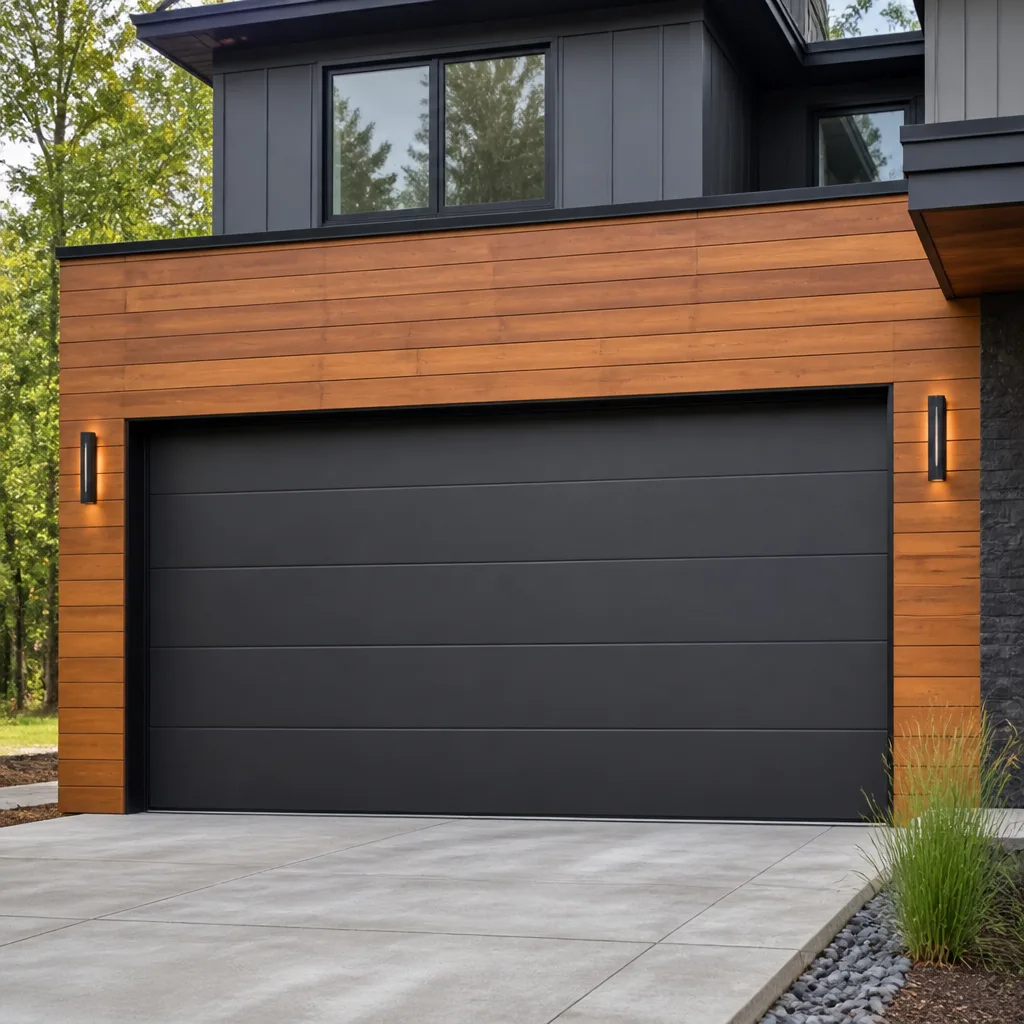 Modern flush
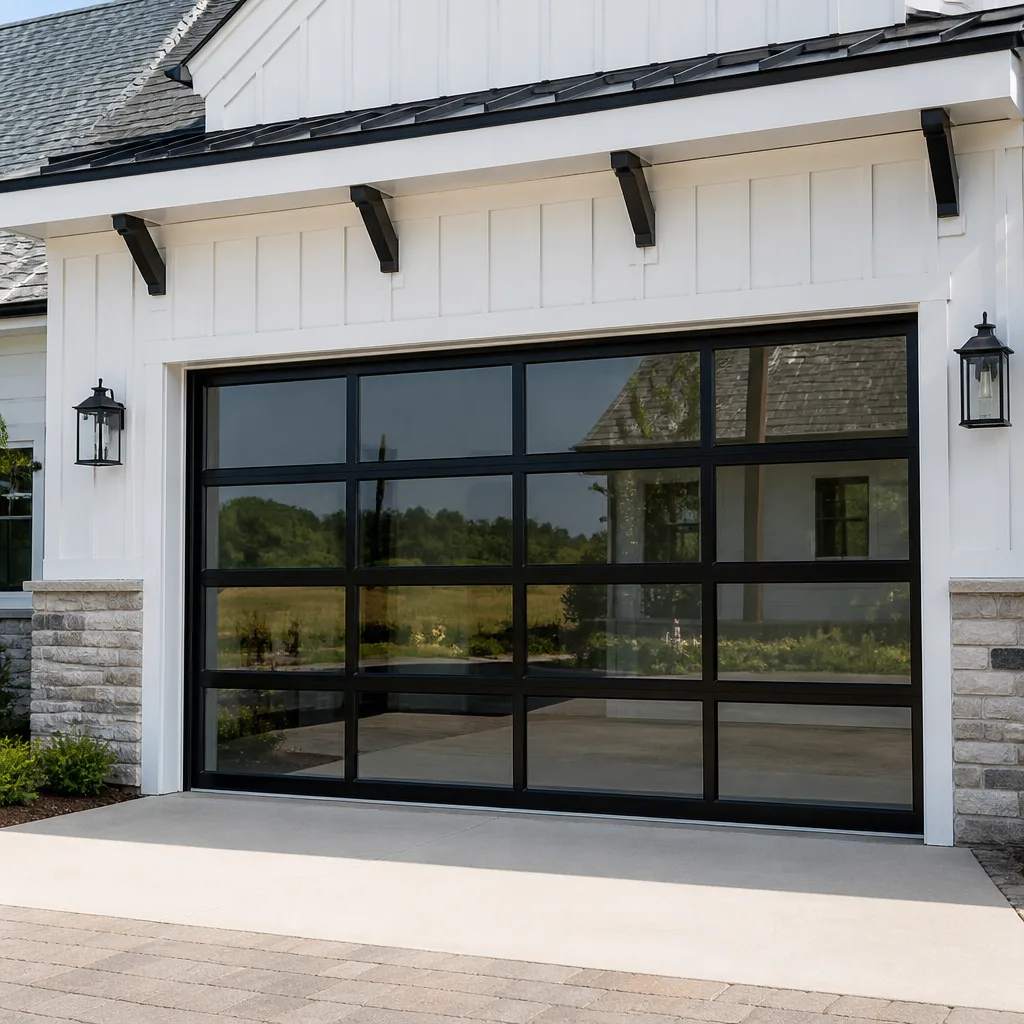 Full-view glass
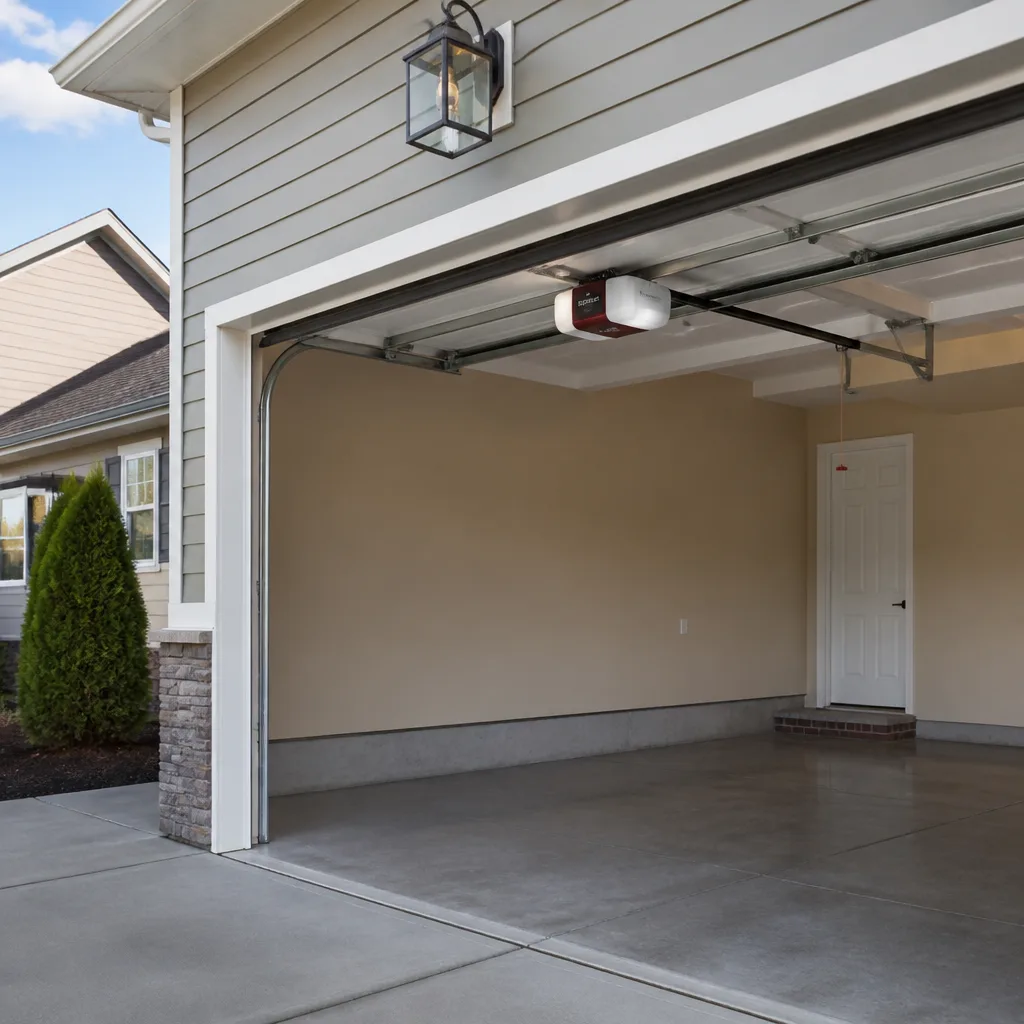 LiftMaster openers
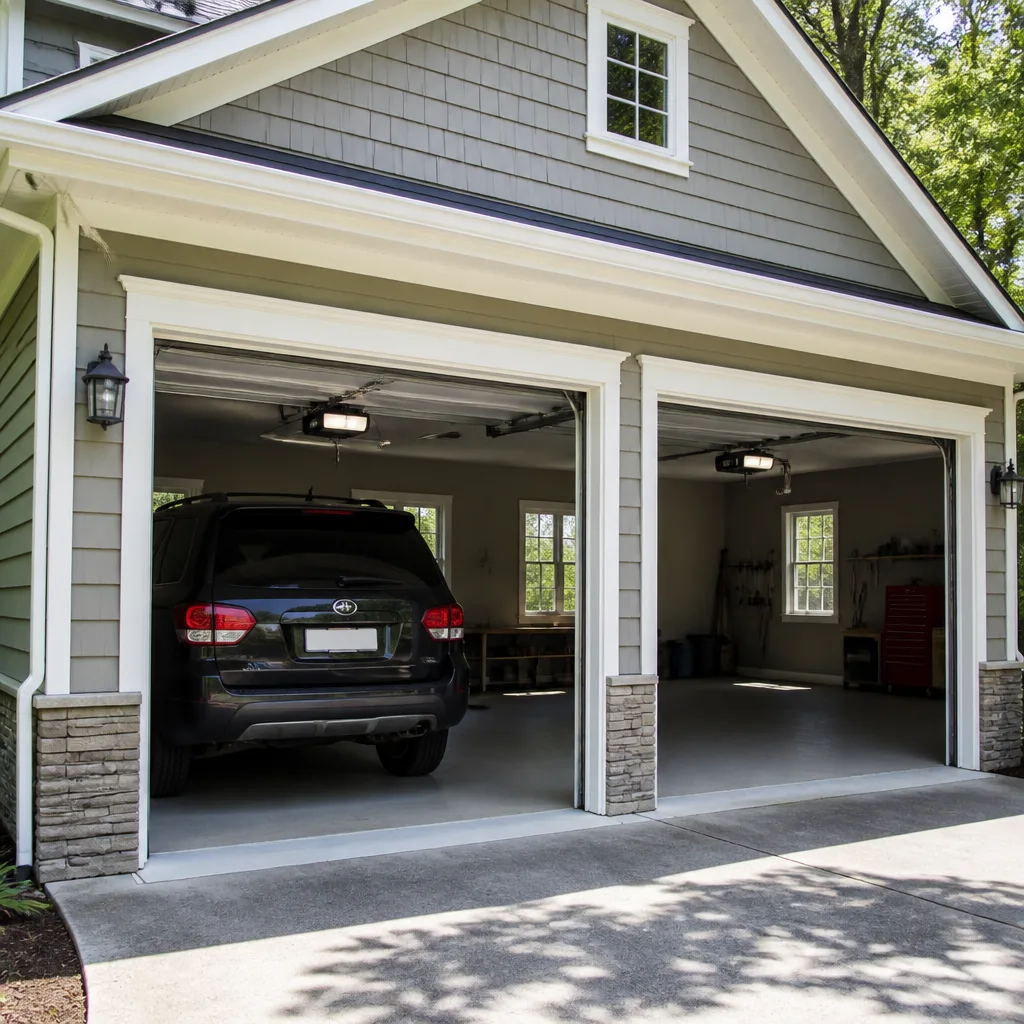 Chamberlain openers
Full 25-point door and opener safety check with every visit - springs, cables, rollers, tracks, and your LiftMaster or Chamberlain opener included
You get a price before we start. It does not change when the pro arrives.
Get your free estimateGarage Door Permits, Codes & Inspections in Lawrence, MA: What You Need to Know
Replacing a torsion spring doesn’t require a permit. Installing a new door on a structurally altered opening almost certainly does. Most homeowners here in Lawrence, and more than a few contractors, blur that line, and it’s the homeowner who pays for the confusion when the work surfaces during a home sale, an insurance claim, or a routine inspection. This guide draws the line clearly. You’ll learn where routine garage door maintenance ends and permitted alteration begins in Lawrence, when a new opener actually pulls in an electrical permit, who’s legally responsible for filing the paperwork, and what a Massachusetts inspector looks for when the door is finally checked.
Quick Answer
In Lawrence, Massachusetts, routine garage door maintenance and repair, including spring replacement, cable work, opener repair, and track adjustment, generally does not require a building permit. A permit is typically triggered when the work crosses into structural alteration: enlarging or modifying the opening, cutting or replacing structural framing or a header, changing the door’s size, or converting a garage in a way that changes the building’s structure. Electrical permits are separate and can apply when a new opener is hardwired rather than plugged into an existing outlet. When in doubt, confirm with the Lawrence building department before work starts.
Styles & brands we work with
- Raised-panel steel
- Carriage house
- Modern flush
- Full-view glass
- LiftMaster openers
- Chamberlain openers
Table of Contents
- Where Does Garage Door Work Cross the Permit Threshold in Lawrence?
- Can a New Garage Door Opener Require an Electrical Permit?
- How Does Unpermitted Garage Work Affect Insurance and Home Sales?
- Who Pulls the Permit: The Contractor or the Homeowner?
- What Do Massachusetts Inspectors Actually Check on a Garage Door?
- How Lawrence’s Climate Shapes Garage Door Wear and Inspection Timing
- Does an Older Door in Lawrence Automatically Need to Meet Today’s Code?
- How to Work With a Permit-Savvy Garage Door Contractor in Lawrence
Where Does Garage Door Work Cross the Permit Threshold in Lawrence?
The dividing line is between maintenance and alteration. Maintenance keeps the door working the way it was designed to. Alteration changes the structure the door sits in. Massachusetts municipalities, including Lawrence, generally require a building permit when the garage door or its opening is structurally modified, and generally don’t when you’re fixing, adjusting, or replacing parts of an existing door system.
Here’s how we frame it for homeowners before a job starts:
Work that typically does NOT require a building permit in Lawrence
- Replacing one or a pair of torsion or extension springs
- Replacing cables, rollers, hinges, or bearings
- Straightening a door that’s been knocked off track
- Repairing or replacing an opener (see the electrical permit note below)
- Adjusting travel limits, force settings, or a misaligned photo-eye
- Replacing a single damaged panel when the opening is unchanged
Work that typically DOES trigger a building permit
- Enlarging or shrinking the rough opening
- Cutting, replacing, or modifying a structural header over the opening
- Changing the door’s dimensions or converting a swing-out garage to an overhead door
- Framing in a new garage door opening where none existed
- Converting a garage to living space, which affects structure, egress, and more
The safest way to settle it: call the Lawrence building department with the specific scope of work, describe exactly what a contractor will cut or leave in place, and ask them to confirm in writing. That confirmation protects you whether a permit turns out to be required or not. The distinction matters most when a door is being replaced, not repaired. Real replacement is a structural decision, and it’s when we encourage homeowners to check the permit question before anyone places an order.
Can a New Garage Door Opener Require an Electrical Permit?
Yes, sometimes. A replacement opener that plugs into an existing ceiling outlet is just a swap and almost never needs an electrical permit. A new opener that requires a new hardwired circuit, a new outlet to be run, or any modification to the home’s wiring is typically electrical work, and electrical permits are separate from building permits in Massachusetts. The permit question follows the wiring, not the opener.
Here’s the practical breakdown for Lawrence homeowners:
- Plug-in swap, existing outlet in place: No electrical permit is usually needed. This covers most LiftMaster, Chamberlain, Genie, and Craftsman replacements, including smart openers that connect over Wi-Fi.
- New outlet installed for the opener: Usually requires an electrical permit and should be done by a licensed electrician. Running a new circuit is not a garage-door repair task.
- Conversion from a legacy mechanical opener to a smart unit: Only pulls in an electrical permit if the wiring changes. Replacing a Wayne Dalton or older units with a wired modern equivalent often keeps the existing circuit intact.
- Replacement of low-voltage safety sensors and photo-eyes: These are low-voltage and generally outside permit scope, but the sensors still need to be wired to the correct terminals on the opener.
This is where a repair specialist and a generalist diverge. We repair and replace opener units across LiftMaster, Chamberlain, Genie, and Craftsman systems every week. When a job crosses into new electrical work, we say so clearly and recommend a licensed electrician for that side of it. If you’re weighing a repair against replacement, take a look at our overview of garage door opener repair to understand how we diagnose logic boards, drive belts, and travel limits before recommending anything new.
How Does Unpermitted Garage Work Affect Insurance and Home Sales?
Unpermitted structural garage work can create problems in two directions: at claim time and at closing. Insurance carriers investigate a loss before paying. If the structural alteration that contributed to the loss was never inspected or permitted, a carrier can dispute the claim, delay it, or reduce what’s covered. And during a home sale, an unpermitted alteration can surface during the buyer’s inspection and hold up the transaction until it’s resolved. In the tight housing stock around Lawrence, that delay is real and can cost both time and negotiating leverage.
Two things to keep clear:
- Repairs don’t create title problems. A spring, opener, or cable repair doesn’t touch the structure and doesn’t create paperwork trails. Those jobs are invisible to a future buyer, which is exactly how it should be.
- Structural alterations do. When a previous owner enlarged a garage opening, changed a door size, or did anything that altered framing, that shows up on an inspection report. If a permit was never pulled, a buyer’s lender or attorney can require it to be retroactively permitted, which is slower and more expensive than doing it right the first time.
At the time of a sale, standard practice is to disclose any work done on the property and to be able to produce permits or a written statement from a licensed professional confirming that certain work was repair and not alteration. When in doubt, get that written confirmation from whoever did the work, and keep it with your home records. If you’re preparing a Lawrence home for sale and want to know what, if anything, about the garage door will draw an inspector’s eye, that’s a good reason to call us for a walkthrough before the buyer’s inspector does.
Who Pulls the Permit: The Contractor or the Homeowner?
The person pulling the permit should generally be the person doing the work, which means the contractor. Massachusetts practice is that the licensed contractor files for and manages the permit, and the permit is issued to the person performing the work. That distinction matters more than most homeowners realize.
Why it’s legally significant:
- Legal liability follows the contractor. When the contractor pulls the permit, the contractor is the one responsible for meeting code and for the inspection outcome. When the homeowner pulls it, the homeowner takes that responsibility on.
- Insurance follows too. If the contractor pulls the permit and files the inspections, there’s a clean paper trail if a problem surfaces. If you pull it yourself and a contractor does the work, that trail gets murky.
- Home sale disclosures get easier. A permit issued to a contractor and signed off after inspection is a clean record. A homeowner-issued permit for someone else’s work reads as a shortcut to a buyer’s attorney.
- Recourse after a problem. If a contractor pulls the permit and the work fails inspection, they have to correct it. If you pulled the permit alone, you’re the one re-opening the file and chasing resolution.
Here’s the practical takeaway. If any part of your Lawrence garage door project requires a permit, ask the contractor up front to pull it and to show you the permit number before the work starts. If the contractor tells you “you can pull it, it’s easier,” that’s a reason to slow down. Our garage door repair work doesn’t usually involve a permit because it’s repair, not structural alteration. On the occasions when the scope touches structure, we make the distinction explicit before anyone picks up a tool. If you’re not sure which category your project falls into, that’s exactly the question we want to answer for you before anyone starts.
What Do Massachusetts Inspectors Actually Check on a Garage Door?
When a garage door is part of a building inspection, the inspector is checking structural and safety fundamentals, not whether the springs are new. The common items we see on inspection reports:
- Structural framing around the opening. A header or framing alteration needs to hold the load it’s supposed to. Inspectors look at what was added or removed and whether it matches what was permitted.
- Attachment of the door to the structure. Tracks, brackets, and opener mounts need to be anchored to framing that can carry the load, not just to drywall or thin sheathing.
- Safety reversal. The door must reverse when it meets a small obstruction, and the photo-eye sensors must stop the door when the beam is broken. That’s a standard check and it’s where a lot of older doors fail.
- Header and opening dimensions. If the permit says the opening is changing, the dimensions in the permit need to match what’s built.
- Electrical connections at the opener. If a new circuit was added, the inspector will want that covered by a licensed electrician’s work and its own electrical permit.
- Egress and fire separation if the garage is attached. On attached garages, the door between house and garage and the separation between the two is checked under the broader building code, not the door itself.
What inspectors don’t check: whether the springs match the door’s weight perfectly, whether the rollers are worn, or whether the opener’s logic board is behaving. Those are repair questions, not inspection questions, and they’re what our garage door spring repair work is designed to diagnose. If you’re the property manager of a multi-unit building in Lawrence and a city inspection is coming up, we can prepare a per-unit report on what each door is likely to fail before the inspector arrives.
How Lawrence’s Climate Shapes Garage Door Wear and Inspection Timing
Lawrence gets real winters and hot, humid summers, and that swing drives garage door wear more than anything else in the home. Cold contracts metal, steel rollers stiffen, and torsion springs that were calibrated warm in the fall run harder in January. Summer humidity works on wood doors and paint; freeze-thaw cycles work on concrete and door seals. There’s no salt air here in the Merrimack Valley to worry about, which means our corrosion profile is milder than a coastal town’s, but the thermal cycling here is severe.
What that means for the permit and inspection question: the wear-and-tear items that make a door fail a safety reversal test or misalign off its track are almost always repair work, not alteration. When the temperature drops hard, we see more snapped torsion springs, more off-track doors from frozen debris, and more opener units that trip on force settings. None of that requires a permit. It’s repair. If you’re seeing those symptoms right now, our Lawrence Garage Door Repair Pros team can walk you through what the visit involves and what to expect before the technician arrives.
The pattern is fairly predictable through the neighborhoods. Older homes along the North Common and lower Tower Hill, many with doors on shorter cycles, tend to show track rust and worn cables by the time the cold arrives. Two-car doors in Bellevue and Mt. Vernon, where Genie and Clopay hardware is common, tend to get the higher-cycle wear on springs and openers because the doors run more often. On any older door in Lawrence, a smart time to book a safety reversal check is late fall, before the first hard freeze catches you with a door that won’t close. That check is repair and adjustment, no permit.
Does an Older Door in Lawrence Automatically Need to Meet Today’s Code?
No. Older garage doors, openers, and doors that were built under earlier code are not automatically required to meet the latest building code. Massachusetts code applies at the time of construction or alteration. An existing door that hasn’t been structurally changed usually gets to keep the code it met when it was installed. What changes that is new work: if you alter the door’s opening or have it rewired, the work has to meet current code for what’s being changed.
There is one crucial exception, and it’s a safety one. Automatic-closing openers have required safety reversal (either photoelectric sensors or a pressure reverse that meets the standard) for a very long time under the National Electrical Code and the door standard. If your door has no functioning safety reversal or the photo-eyes are miswired, the door doesn’t need to be brought to current code in every respect, but it isn’t safe. Full stop. That’s not a permit question, it’s a repair question, and it should be fixed.
A second practical point about older Lawrence doors: many were installed before today’s smart openers, and that’s fine. A Wayne Dalton or an older Amarr door running on a legacy mechanical opener works perfectly well as long as it’s maintained. When the opener dies, replacing it with a modern Wi-Fi-connected LiftMaster or Chamberlain unit usually keeps the existing circuit and outlet, which keeps the permit question out of it. The door itself is structural, the opener isn’t. If a technician recommends replacing a whole door because the opener died, ask why. That’s normally a repair, and a smart replacement doesn’t change the structure.
How to Work With a Permit-Savvy Garage Door Contractor in Lawrence
The difference between a contractor who knows permit lines and one who doesn’t shows up when a project is already underway. Here’s how we’d advise any Lawrence homeowner to qualify whoever they hire, including us:
- Ask the contractor to categorize the job before they start. Repair or alteration. If the answer is alteration, ask for the permit plan in writing.
- Ask who pulls the permit and who’s named on it. The contractor’s name should be on it if the contractor is doing the work. If not, find out why.
- Confirm the electrical side. If a new opener requires wiring changes, confirm whether a licensed electrician is being brought in and whether the electrical permit is being filed.
- Get a written scope that separates repair from alteration. Replacements, repairs, adjustments, and anything structural should be spelled out separately so it’s clear what’s being done and what, if anything, needs a permit.
- Insist on a price quoted and agreed before any work starts. The written estimate is the final price unless you approve a change in scope. There’s no ambiguity on that.
- Keep the paperwork. Keep the estimate, any permits, and a written statement of what was repair and what was alteration in your home file. If you sell the home in Lawrence in a few years, that file is worth keeping.
We work on the door, the opener, and the spring system as one connected diagnosis, and we work on the brands already in your garage: LiftMaster, Chamberlain, Genie, Clopay, Amarr, Wayne Dalton, Craftsman, and Raynor. Our technicians have up to 10 years of experience. We’re a repair specialist, not a new-door sales operation, so we don’t have a reason to recommend structural work that isn’t needed. If your project genuinely crosses into alteration, we tell you and point you toward the right licensed trade for that part. That’s how it should work.
Common Mistakes to Avoid
- Assuming any garage door work needs a permit. Most of what happens on a Lawrence door, including springs, cables, openers, and track work, is repair and doesn’t require a permit. Slowing down a repair because you think paperwork is required can leave a door stuck open for days. Call and ask the city’s building department if you’re unsure.
- Assuming no garage door work ever needs a permit. The opposite mistake is worse. Structural alteration without a permit creates problems at claim time and at closing, and the homeowner carries them, not the contractor who skipped the paperwork.
- Letting the contractor talk you into a homeowner-pulled permit. If the contractor suggests you pull the permit while they do the work, the legal responsibility lands on you. The person doing the work should be the one named on the permit.
- Overlooking the electrical permit when a new opener is wired in. A plug-in swap is one thing. A new hardwired circuit is another, and skipping the electrical permit because “it’s just a garage door opener” is a common shortcut that inspectors flag.
- Mistaking a repair for a replacement. A dead opener on an otherwise healthy door is normally a repair. A snapped spring on a modern Clopay or Amarr door is a spring replacement. Replacing the full door in those cases isn’t necessary and doesn’t require any permit talk. Ask what specifically is broken.
- Skipping the safety reversal check on an older Lawrence door. Older doors often pass visual inspection and fail the reversal test. That’s a repair, and it’s not optional once you know. It’s the one item on this list we’d tell any homeowner to address immediately.
- Not keeping the paperwork. When a home sells in Lawrence, any work on the property gets looked at. The estimate, the permit if any, and a written statement of what was repair and what was alteration are what a buyer’s attorney will ask for.
See the difference
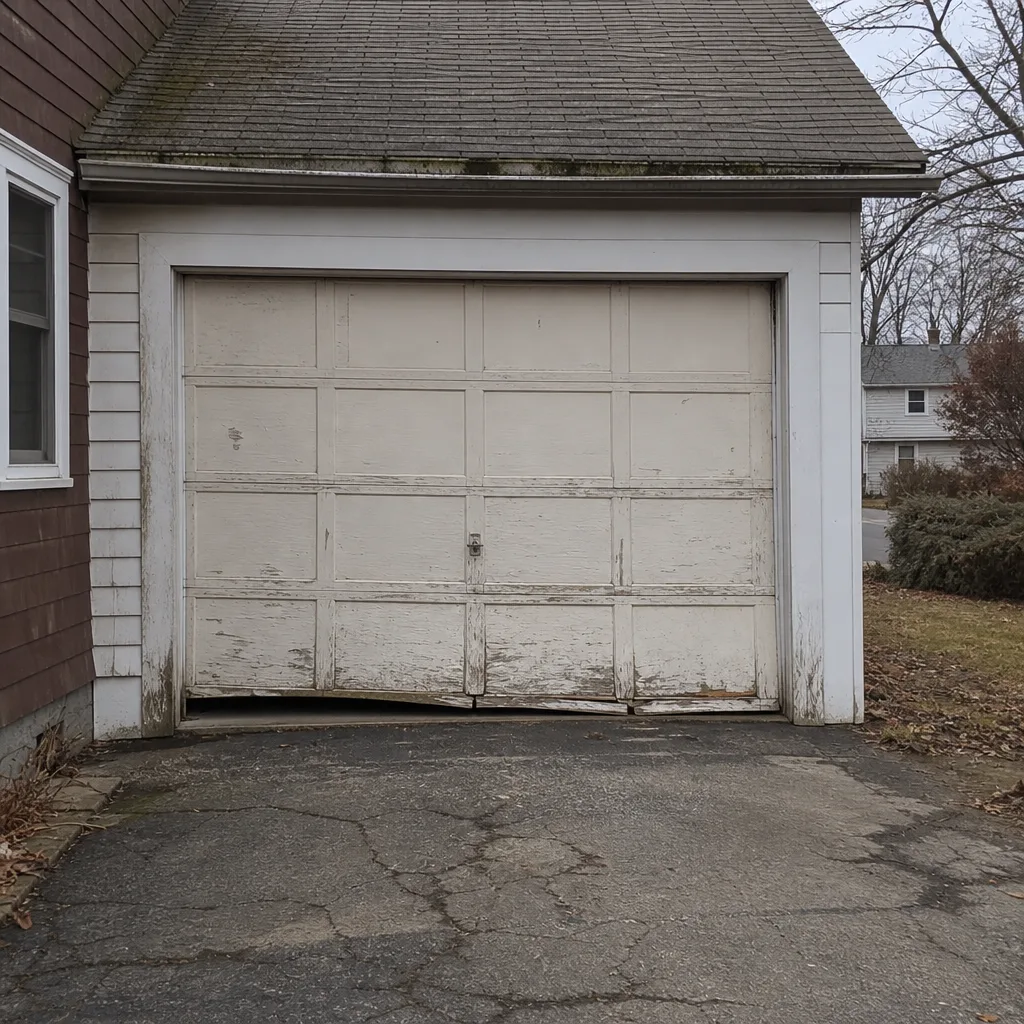 Before
 After
 Before
 After
 Before
 After
When to Call a Professional
Most garage door problems are dangerous to handle yourself, and a few are genuinely hazardous. A snapped torsion spring or a cable that lets go under tension can cause serious injury, and we don’t recommend any homeowner attempt that repair without proper tools and training. Off-track doors, bent tracks, and opener units that no longer reverse on obstruction are all reasons to have a trained technician look at the system. If the door is stuck open and you can’t close it, that’s a same-day situation. If your door is part of a multi-unit building and a city inspection is coming up, that’s also the moment to have someone walk every door and prepare a per-unit report. Lawrence Garage Door Repair Pros offers free estimates in Lawrence, and we can walk through what needs to happen, including whether any part of it crosses the permit line. Call (855) 761-3321 to schedule.
Frequently Asked Questions
Usually not for a straight like-for-like replacement that keeps the opening and framing unchanged, but yes when the opening is structurally altered, resized, or reframed. A same-size replacement on an existing opening is generally treated as a repair, while enlarging the opening or changing the door’s dimensions is a structural alteration and normally requires a building permit. Confirm with the Lawrence building department with your specific scope before the work starts, and call us at (855) 761-3321 for a free estimate on the door side.
Not for a plug-in swap on an existing outlet, but yes when new wiring or a new outlet is required. Electrical permits are separate from building permits in Massachusetts, and the trigger is whether the electrical work changes. A new LiftMaster or Chamberlain unit on an existing circuit usually stays outside permit scope. If a new circuit is being run, that’s licensed electrical work and the electrician handles the permit. Call (855) 761-3321 for a free estimate on the opener side.
The contractor doing the work is generally the person who should pull the permit, and the permit should be issued in the contractor’s name. When the homeowner pulls it, the homeowner takes on the legal responsibility for code compliance and inspection outcomes. Ask before work starts: who’s named on the permit, and can you see the permit number. If any part of your project needs a permit, our team can point you toward the right licensed professional. Call (855) 761-3321 for a free estimate.
Structural framing, attachment to the structure, safety reversal and photo-eye function, and the electrical work if a new circuit was added. On attached garages, the door and separation between house and garage are also checked. Safety reversal is the most common failure because older doors often have non-functioning sensors. Cosmetic wear, worn rollers, and spring calibration aren’t part of the inspection. Call (855) 761-3321 if you want a safety reversal check before an inspection.
It can, especially if the project involved structural alteration. A buyer’s inspector can flag it, and resolving it retroactively takes longer and costs more than permitting it correctly the first time. Straight repairs, like springs, cables, openers, and track work, don’t create this problem because they don’t touch the structure. The best protection is a written record from whoever did the work confirming what was repair and what was alteration. If you’re preparing a home for sale, call (855) 761-3321 for a walkthrough.
Yes. Standard repairs, including spring replacement, cable replacement, opener repair, and off-track corrections, generally don’t require a permit because they’re maintenance on an existing system. The price is quoted and agreed before any work starts, and the written estimate is the final price unless you approve a change in scope. That covers spring replacement, opener work, and anything in the repair category. Call (855) 761-3321 for a free estimate, and we’ll confirm the categorization before we book.
The Bottom Line
Most garage door work in Lawrence is repair and doesn’t require a permit. The exceptions are structural: enlarging an opening, changing a door’s size, reframing a header, or converting a garage. Electrical permits follow the wiring, not the opener, so a plug-in swap is different from a new hardwired circuit. The contractor doing the work should pull the permit, in their own name, and a written scope that separates repair from alteration is your protection at claim time and at closing. Safety reversal matters on older doors regardless of permit status, and it’s a repair. If you’re unsure which side of the line your project falls on, call us before anyone starts.
If you’ve read this far and you’re not sure whether your garage door project needs a permit, or you’re ready to have a broken spring, a dead opener, or an off-track door looked at, our team can help. We’re a repair-focused specialist on the door, opener, and spring system, and we work on the brands already in your garage. We’ll tell you plainly what’s repair, what’s structural, and what needs a permit. Call Lawrence Garage Door Repair Pros at (855) 761-3321 for a free estimate. The price is quoted and agreed before any work starts.
Written by the team at Lawrence Garage Door Repair Pros.